

21
From Seatbelts to ADAS: How Car Safety Has Transformed Over the Decades


Car safety has changed steadily over the years as technology and regulations have improved collectively.
Modern safety systems now aim to improve safety standards and the driving experience. Today, features like ADAS reflect how modern vehicles are designed to support safer driving conditions.
Early Safety Features
In the mid-80s, safety systems focused primarily on protecting passengers in a crash. However, this focus has completely shifted as avoiding crashes has become the fundamental objective.
- Seatbelts - Designed to hold passengers in place and reduce injury during sudden impact
- Crumple Zones - Engineered areas that absorb impact energy and reduce force on occupants
- Airbags - Added as a secondary layer of protection to reduce injury during collisions.
These features formed the base of vehicle safety, ensuring that passengers had a better chance of avoiding serious harm during accidents.
Electronic Safety Systems
As vehicles became more advanced, electronic systems were introduced to help drivers maintain control.
- Anti-lock Braking System (ABS) - Prevents wheel lock during sudden braking and allows better steering control
- Traction Control - The technology helps to maintain grip on slippery surfaces by adjusting wheel power
- Stability Control - Helps keep the vehicle stable during sharp turns or sudden movements.
These systems marked an important step in how ADAS is transforming driving by introducing the idea of preventing accidents rather than only reducing their impact.
Rise Of ADAS
Modern vehicles now include systems that actively assist the driver in real-time situations, including -
- Lane Assist - Alerts or corrects the vehicle if it drifts out of its lane
- Automatic Braking - Detects obstacles and applies brakes when the driver does not react in time
- Adaptive Cruise Control - Maintains a safe distance from the vehicle ahead while driving on the highway.
Impact On Safety
- Reduced Accidents - Systems assist drivers in avoiding collisions in many real-world scenarios
- Improved Reaction Time - Alerts and automated responses reduce delay in critical moments
- Better Road Awareness - Drivers receive constant feedback about their surroundings.
This explains how ADAS is transforming vehicle safety from passive protection to active prevention. However, these systems depend on clear visibility and accurate sensor readings to function effectively.
At AIS Windshield Experts, we ensure your windshield remains in proper condition, so cameras and sensors operate without obstruction. Even minor damage can affect how these systems respond on the road.
Future Trends
Vehicle safety continues to evolve with new technologies that aim to reduce human error.
- Autonomous Driving - Vehicles are being developed to operate with minimal driver input.
- AI-based Systems - Advanced algorithms help predict and respond to road conditions.
As the domain of car safety technology continues to advance, questions like 'Is ADAS safe?' will evolve as improvements in system accuracy and reliability advance.
FAQs
What is ADAS in cars?
Advanced Driver Assistance Systems help drivers with functions such as braking, lane control and obstacle detection, improving overall safety during everyday driving.
When were airbags introduced?
Airbags were introduced in vehicles during the late 20th century as an additional safety feature. They were designed to reduce injury by cushioning passengers during a collision.
Do all cars have ADAS?
These systems are more common in newer and premium vehicles, although they are gradually becoming available in a wider range of models.
Can ADAS prevent accidents?
ADAS can reduce the chances of accidents by assisting drivers in critical situations. However, it does not replace human control, and drivers must remain attentive at all times.
What is the future of car safety?
The future of car safety includes autonomous driving systems and AI-based technologies. These developments aim to reduce human error and improve overall driving safety across different road conditions.
Similar Post
-
24

Why Modern Windshield Workshops Now Look More Like Technology Labs Than Repair Garages
-
22
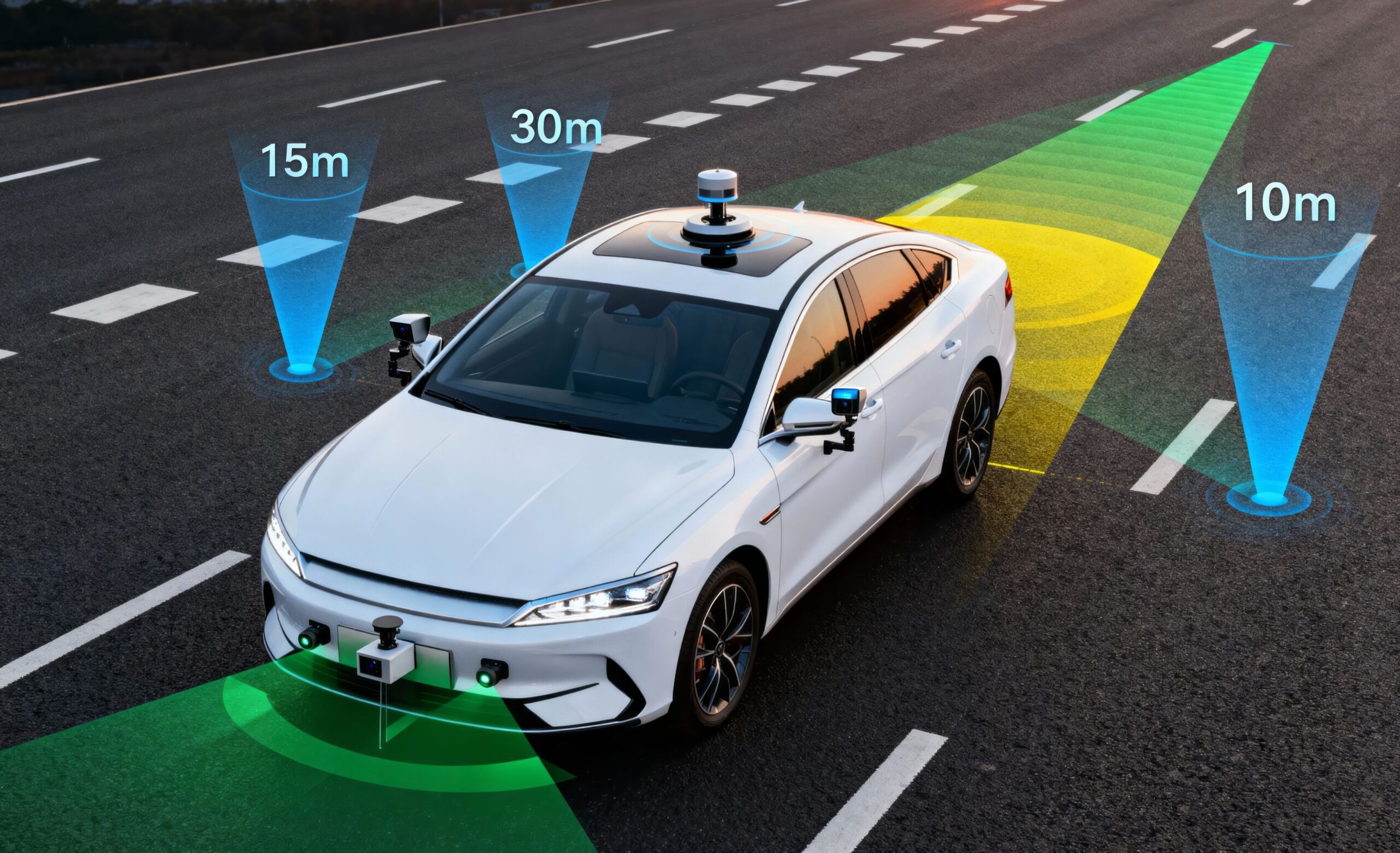
Why Windshield Clarity & Optical Quality Affect ADAS Performance
-
22

MG Majestor vs Toyota Fortuner: The Ultimate Premium SUV Showdown
-
22
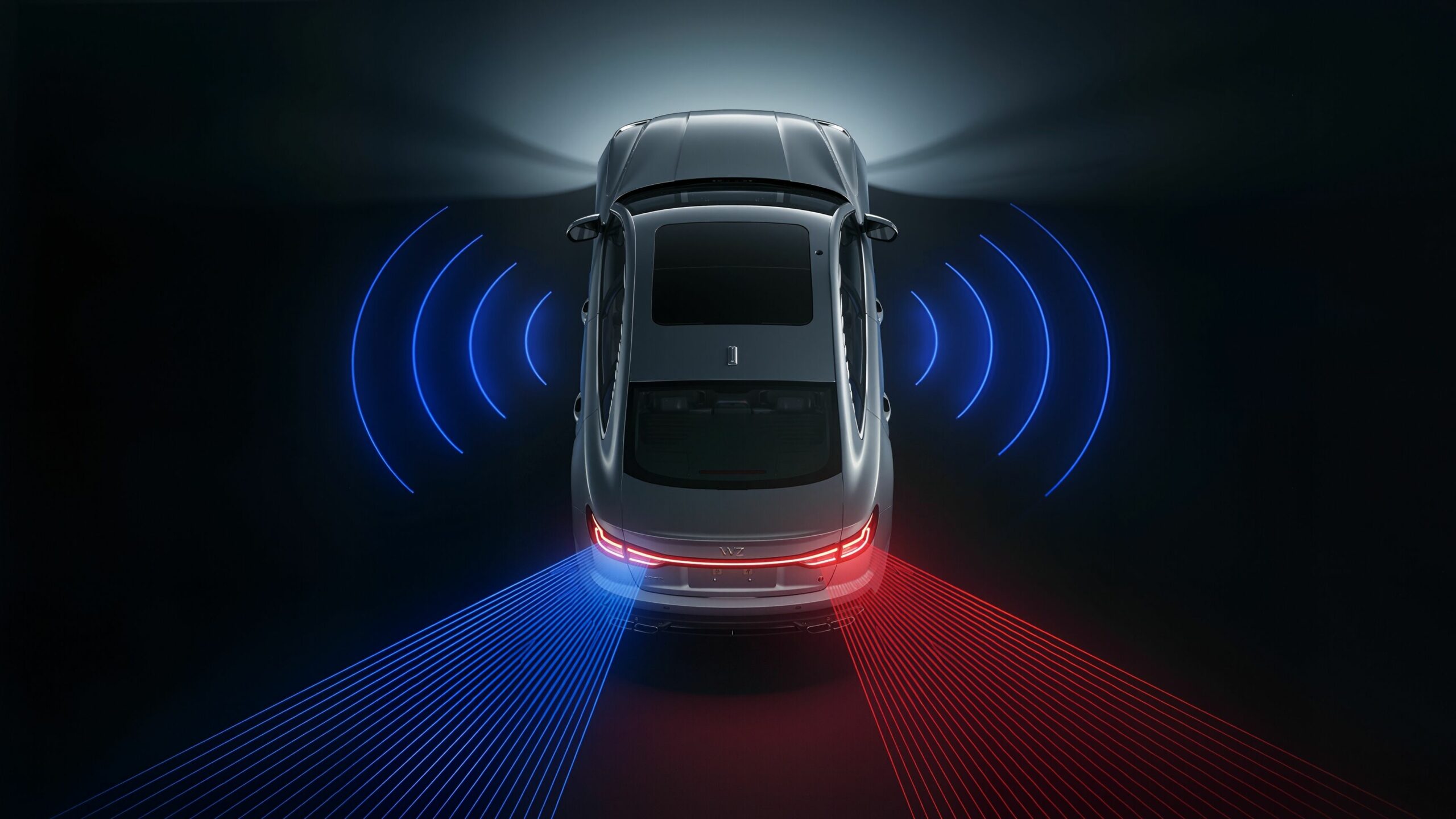
How Windshield Add-Ons Can Disrupt ADAS Performance
-
22
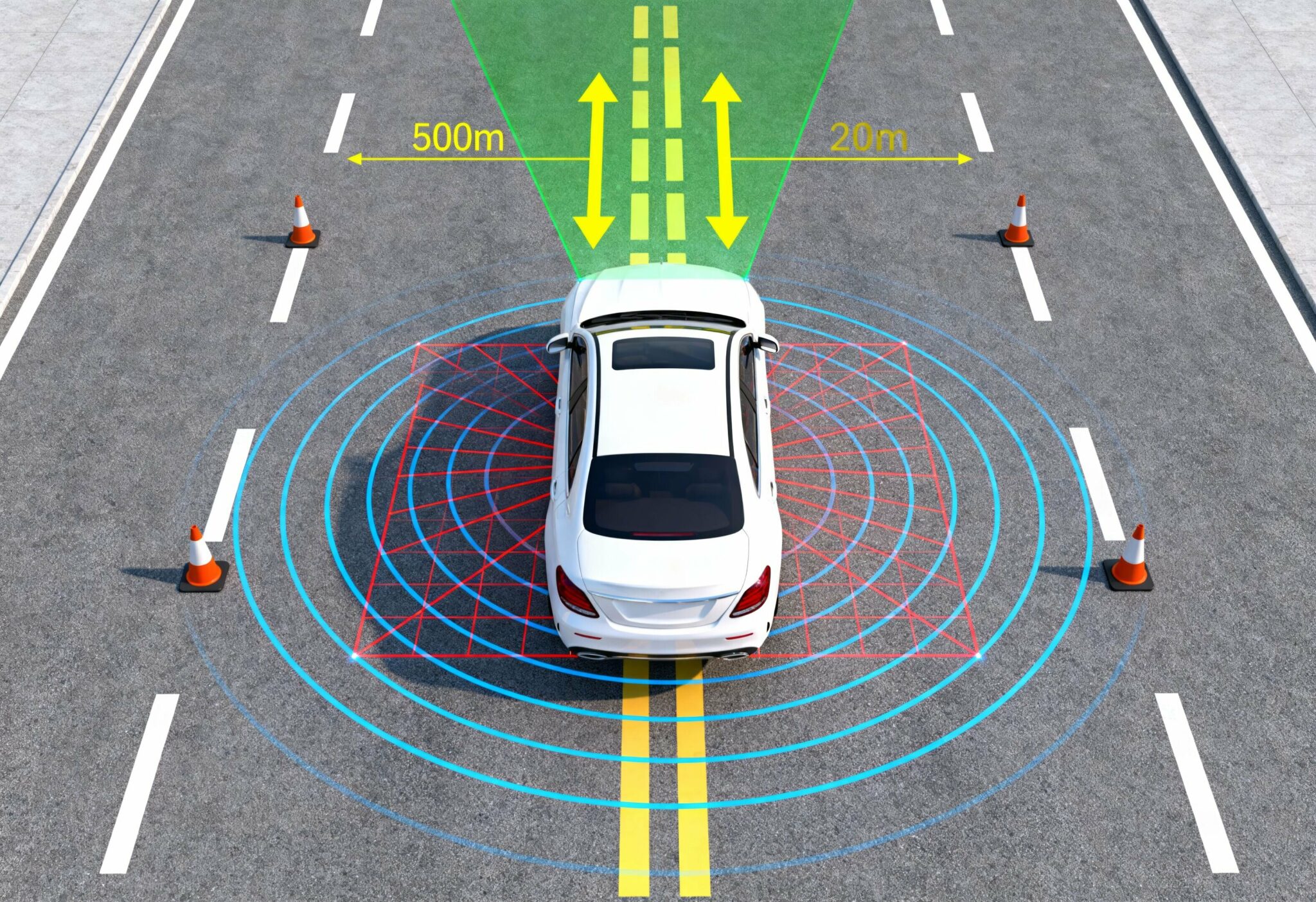
How New ADAS Levels Are Transforming Modern Driving
Recent Post
- Mandatory ADAS in India by 2027: How it Will Transform the Automotive Technology Industry
- How Start-Stop Systems Change Battery Requirements in Modern Cars
- How AIS Windshield Experts Provide Quick Windshield Replacement Without Compromising Passenger Safety
- Why Windshield Replacement Is More Than Just Removing and Fitting Glass
- Why Windshield Glass Thickness Affects Passenger Safety
Blog Categories
 9818866364
 9599087715
 Insurance Claim


 1800-102-6364
  9818866364
  9599087715