

21
How EV Battery Warranty Impacts Long-Term Ownership Cost in India


Electric vehicles are becoming more common in India as buyers seek lower operating costs and sustainable transport. However, one concern remains central to every purchase decision: battery reliability.
This is where the EV battery warranty becomes important. It helps buyers understand how protected they are over time. A strong warranty reduces uncertainty and gives clarity about long-term ownership costs.
What Battery Warranty Covers
An EV battery warranty usually covers the battery for a fixed number of years or kilometres, whichever comes first. It protects against manufacturing defects and significant battery capacity loss under normal usage conditions.
Most warranties also define a minimum performance threshold, which means the battery should retain a certain percentage of its capacity. If it drops below that level within the warranty period, the manufacturer may repair or replace it. However, damage caused by misuse, accidents, or improper charging practices is usually not covered.
Typical Warranty In India
In India, most manufacturers offer a standard battery warranty of around 8 years or up to 1,60,000 kilometres. This has become a benchmark across the EV market. It provides buyers who may be new to electric vehicles with a sense of assurance.
Some brands are also introducing extended or lifetime coverage for the first owner, which further improves confidence. These warranties are designed to address concerns about EV battery costs, which are often the most expensive part of the vehicle. As a result, buyers can plan ownership with better clarity.
Ownership Cost Impact
The battery plays a major role in determining the overall cost of owning an electric vehicle. A high EV battery cost means that replacement without warranty can be expensive. This is why warranty coverage directly affects long-term affordability.
A vehicle with a strong warranty reduces financial risk during ownership. It also improves resale value, as the next buyer sees it as a safer purchase. On the other hand, a vehicle without warranty coverage may lose value more quickly due to uncertainty about battery health.
Regular maintenance also contributes to cost management. Timely car battery service in Delhi helps monitor the battery's condition. Proper upkeep supports warranty compliance and reduces unexpected issues.
Example
The Tata Nexon EV is a great example of how manufacturers are addressing battery concerns. The EV comes with an 8-year or 160,000-kilometre warranty on the battery and motor. This gives buyers confidence about long-term usage.
Some newer variants also offer extended coverage options, which further reduce ownership risk. This approach shows how brands are using warranty as a tool to build trust. It also highlights how the EV battery warranty supports better decision-making for first-time EV buyers in India.
Conclusion
When evaluating an electric vehicle, the battery warranty should be one of the first things to consider. It directly affects ownership cost, resale value and long-term reliability. Buyers should review coverage terms carefully before making a decision.
Along with this, maintaining visibility and vehicle condition is equally important. At AIS Windshield Experts, we ensure that your vehicle remains safe and reliable, supporting a better driving experience.
FAQs
How long do EV batteries last?
EV batteries typically last between 8 and 10 years, depending on usage and maintenance.
Is EV battery replacement expensive?
Yes! EV battery replacement can be expensive due to high component costs.
What happens if the EV battery fails under warranty?
If the battery fails under warranty, the manufacturer may repair or replace it at no additional cost. This depends on the terms and performance thresholds defined in the warranty.
Does the warranty transfer to the second owner?
In many cases, the battery warranty is transferable to the second owner, but it may come with limitations. Buyers should check the specific terms provided by the manufacturer.
Which EV has the best warranty in India?
Several EVs in India offer strong warranty packages, including models like the Tata Nexon EV. Coverage varies by brand, so buyers should compare warranty duration and conditions before deciding.
Similar Post
-
21
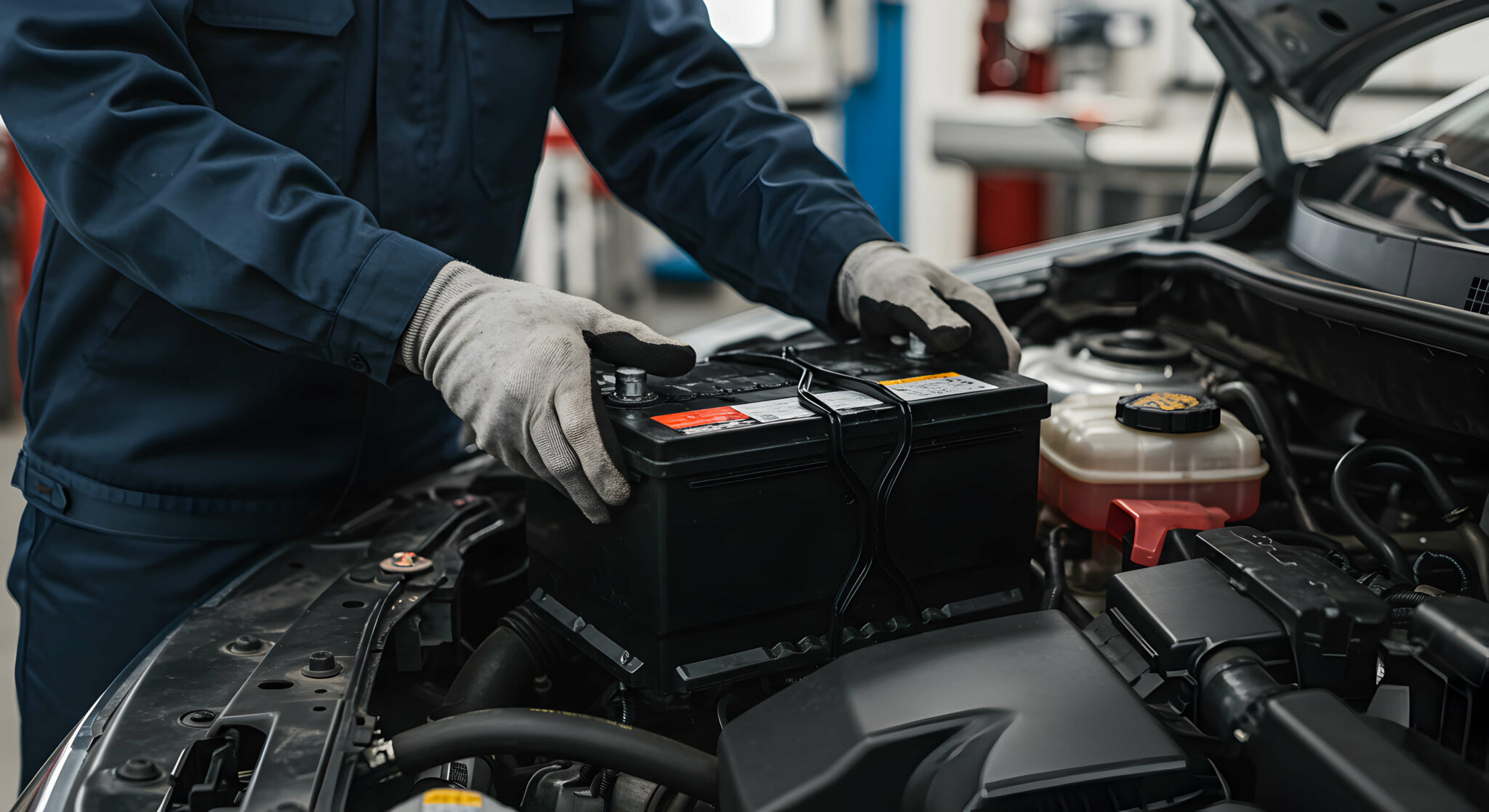
How Start-Stop Systems Change Battery Requirements in Modern Cars
-
31
Why Battery Jump-Start Requests Increase During the Monsoon Season
-
31
Why Frequent Defogger Usage Can Reveal Battery Weakness?
-
31
How Monsoon Traffic Jams Put Extra Load on Your Car Battery
-
15
Why Your Car Battery Fails Suddenly Without Warning
Recent Post
- Mandatory ADAS in India by 2027: How it Will Transform the Automotive Technology Industry
- How Start-Stop Systems Change Battery Requirements in Modern Cars
- How AIS Windshield Experts Provide Quick Windshield Replacement Without Compromising Passenger Safety
- Why Windshield Replacement Is More Than Just Removing and Fitting Glass
- Why Windshield Glass Thickness Affects Passenger Safety
Blog Categories
 9818866364
 9599087715
 Insurance Claim


 1800-102-6364
  9818866364
  9599087715