

24
Why Connected Cars Continue Using Battery Power Even After the Engine Is Off


Connected cars don’t turn off like older models when the engine shuts off. Many systems continue to run to provide security, app functions, tracking, updates and monitoring.
Because of this, a modern connected vehicle now uses battery power in more ways than just for driving. In the past, battery power was only needed for the electronics, lighting and starting systems. Now, functions of an intelligent system installed in the vehicle require battery power even when the vehicle is not in use.
Features That Continue Running After Engine Shutdown
- GPS Tracking and Vehicle Location Services: Connected vehicles use battery power to keep the GPS system functioning even when the vehicle is shut off. This allows the owner to locate the vehicle in the mobile app when it’s parked and supports tracking stolen vehicles. Power used for GPS tracking is minimal, but it can still drain the battery over a few days of parking.
- Remote Connectivity and Mobile App Functions: For remote app functions to work, the communication module remains active to monitor for commands from the app. Battery drain for connected vehicles can be traced back to this functionality.
- Security Systems and Smart Monitoring Features: Power is also utilised to protect the vehicle when the owner is away, using smart monitoring systems, motion sensors, alarms, dashcams and immobilisers. Connected systems can increase the battery load with frequent wake-ups.
Why Connected Systems Need Continuous Power
- Background Communication with Cloud Platforms: Connected cars send and receive small data packets through cloud platforms. This keeps the app updated with location, lock status, battery condition and service alerts. It keeps the car responsive but needs battery support.
- Software Updates and System Synchronisation: Modern vehicles may receive updates for navigation, infotainment, safety alerts and connected features. Some updates may download while the car is parked. The car may also sync data with the manufacturer’s server.
- Vehicle Health Monitoring and Diagnostics: Connected systems can monitor battery voltage, tyre pressure, fault codes and service reminders. They can alert owners before a small issue becomes serious. These diagnostics are useful but increase battery dependency.
Effects on Battery Performance and Ownership
- Dependency on Auxiliary Batteries: Modern cars have a greater reliance on auxiliary batteries than older cars. Systems connected to the battery, such as sensors, control units, networks and monitoring systems, can negatively affect remote accessibility, notifications and security.
- Battery Drain When the Car Is Inactive: In modern connected cars, battery drain usually occurs when the car is not driven for several days. Keeping the parking dash camera on, using GPS and maintaining app connectivity can cause the battery to drain more quickly. Short trips can also limit recharging.
- Higher Upkeep for Modern Vehicles: Smart cars need proactive maintenance. Drivers should not wait until the car refuses to start. Regular checks can identify weak batteries early. Timely car battery replacement can prevent breakdowns and protect connected systems.
How Drivers Can Manage Battery Health Better
- Avoid leaving connected cars unused for long periods. If the vehicle stays parked for days, take it for a proper drive.
- An important part of your car maintenance should involve regular inspection of the battery. It should be checked before any trip to inspect its voltage, charging, terminals and overall health.
- Cars are designed in different ways to manage their power. Knowing your vehicle's power management settings is important to avoid excessive use of features such as the dashcam.
Conclusion
A connected car simplifies the car ownership experience with remote features, tracking, alerts, and monitoring. However, this increases battery demand.
If battery problems persist, such as slow cranking or warning lights, professional help should be sought. For uninterrupted performance and battery service in the NCR region, contact AIS Windshield Experts.
Similar Post
-
24
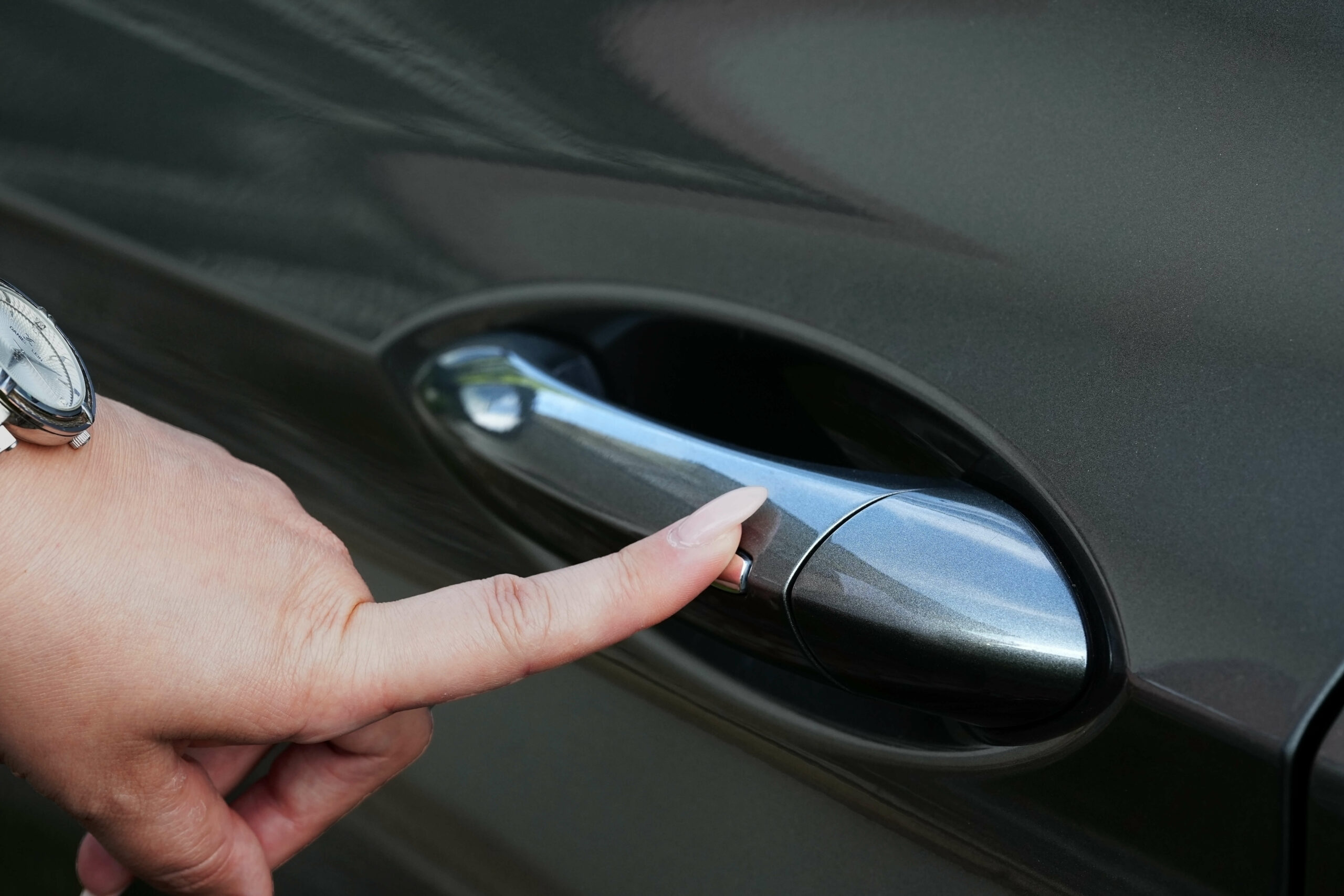
How Keyless Entry Systems Continuously Use Battery Power
-
24
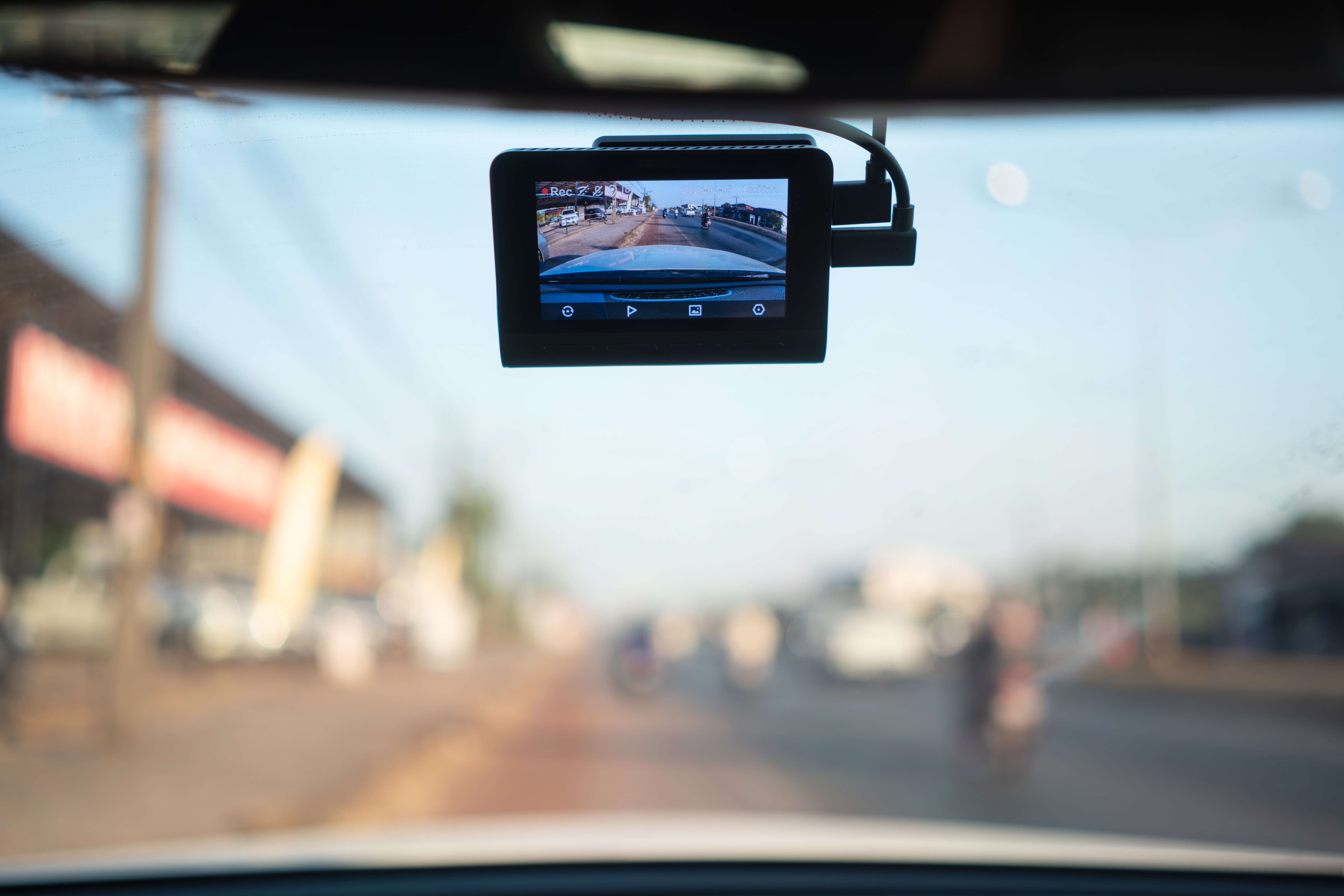
Why Dashcams Are Becoming a Hidden Cause of Battery Drain
-
16
Can Excessive USB Charging Inside Car Affect Battery Stability?
-
15
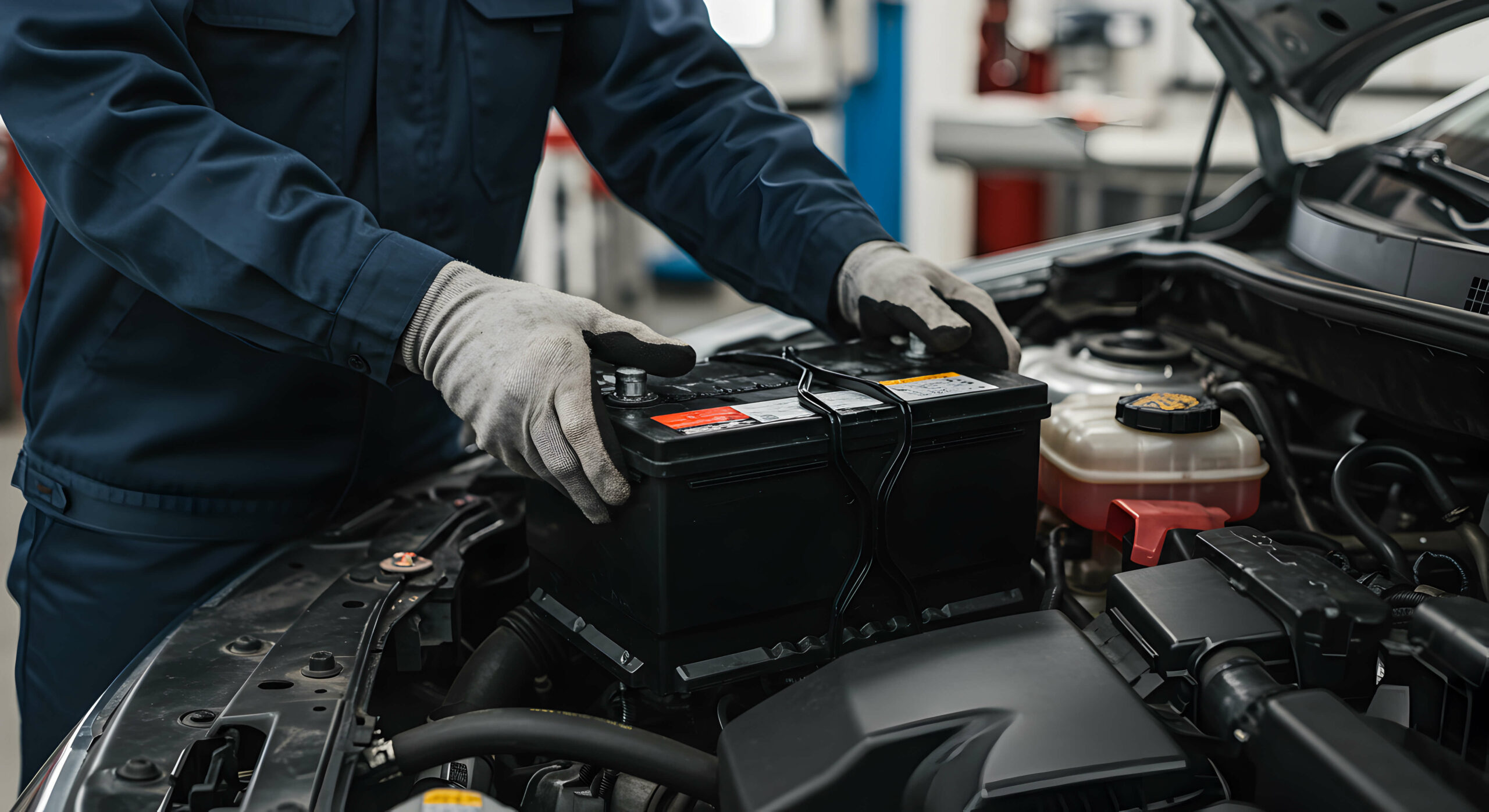
Why Software-Defined Cars Are Causing Unexpected Battery Drain Issues
-
23
Why Premium Cars Need Advanced Car Battery Technology
Recent Post
- Mandatory ADAS in India by 2027: How it Will Transform the Automotive Technology Industry
- How Start-Stop Systems Change Battery Requirements in Modern Cars
- How AIS Windshield Experts Provide Quick Windshield Replacement Without Compromising Passenger Safety
- Why Windshield Replacement Is More Than Just Removing and Fitting Glass
- Why Windshield Glass Thickness Affects Passenger Safety
Blog Categories
 9818866364
 9599087715
 Insurance Claim


 1800-102-6364
  9818866364
  9599087715