

02
Why a Car Battery Can Test Healthy but Still Fail to Start the Engine

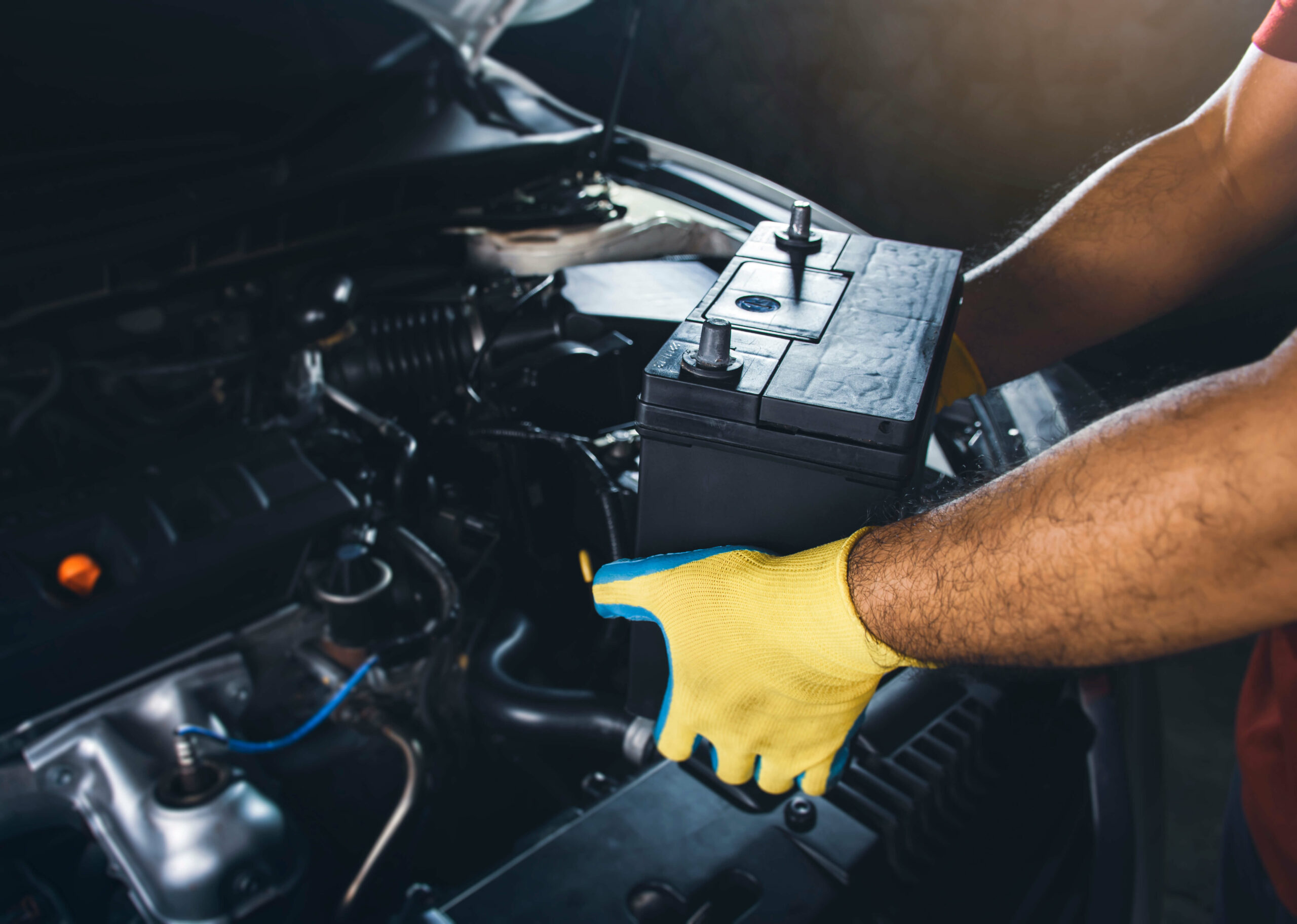
A car’s battery is a vital component that starts the engine and powers systems like air conditioning and lighting. So, regular testing is important to ensure it's healthy. However, sometimes the battery may perform well during these tests but still fail to start the engine.
Why a Battery Can Pass One Test but Still Fail in Real Use
A car battery can pass one of its three tests but still fail to start the engine for the following reasons:
Deep Cycles
Deeply discharging a battery can cause irreversible damage by stripping away most of its plate material. How much you can discharge your battery depends on its depth of discharge (DoD), which measures the energy used relative to its total capacity.
Traditionally, lead-acid and modern sealed lead-acid batteries generally have a 50% DoD limit, although this varies by brand.
For example, when comparing the DoD of Exide vs Amaron car batteries, Exide slightly outperforms Amaron.
Physical Damage
A car battery can be physically damaged if it is handled, stored or installed incorrectly. This physical damage can affect performance and may cause engine failures if the battery’s connections come loose or it starts to leak.
Temperature-Related Performance Changes
Frequent temperature changes can also affect a car battery. In warm temperatures, the rate of battery power discharge speeds up, which can potentially trigger a deep discharge state.
Moreover, these temperatures can also cause overheating and corrosion, which could lead to engine failure. In the case of an Amaron vs Exide car battery, both batteries perform similarly in heat under equal conditions.
Similarly, in cold temperatures, the battery’s internal resistance increases, which can affect its ability to transfer power to the engine. This increased internal resistance can also cause rapid discharge.
Poor Battery Connections
A loose battery connection can delay or prevent power from reaching the engine, causing the engine to fail to start.
Some Other Reasons For Engine Starting Failure
Improperly Charging Alternator
An alternator recharges your car’s battery while the engine runs and supplies electricity to the vehicle. However, if it stops working properly, you may notice the battery gradually losing charge, warning lights, dim headlights and taillights and whining noises from the engine.
If these issues happen repeatedly, check the charging system before buying another battery.
Failed Starter Motor
A failed starter motor can also cause engine start failures and may show up as intermittent starts, a grinding or clicking sound from the starter motor area, or silence when you try to start the engine. In these cases, consider having a mechanic check the starter motor before it fails.
Spark Plug or Ignition Problems
A spark or ignition problem can cause a start failure because the air-fuel mixture doesn’t ignite on time. Possible causes include a faulty spark plug, wiring issues or ignition coil failures.
Immobiliser Issues
Your car’s engine immobiliser may fail to detect the key because of a faulty key, incorrect key fob patterns or low battery voltage. This can cause engine start failure.
Conclusion
A battery voltage test reading alone may not explain an engine start failure, as many other factors can contribute. So you should have authorised professionals test your battery.
At AIS Windshield Experts, we offer professional battery diagnostics and related solutions to help you get back on the road quickly. Our experienced technicians perform tests such as battery load and health tests, starter motor and electrical system checks and diagnostic scans when needed to ensure your battery is in good condition.
Similar Post
-
21
How Start-Stop Systems Change Battery Requirements in Modern Cars
-
31
Why Battery Jump-Start Requests Increase During the Monsoon Season
-
31
Why Frequent Defogger Usage Can Reveal Battery Weakness?
-
31
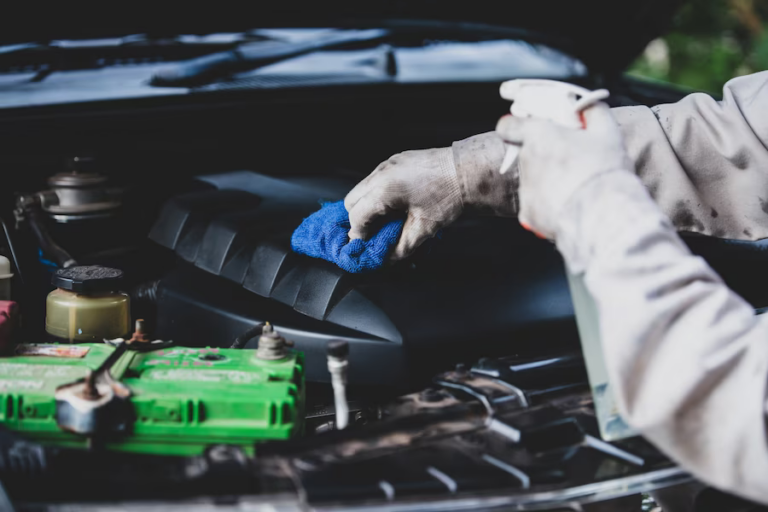
How Monsoon Traffic Jams Put Extra Load on Your Car Battery
-
15
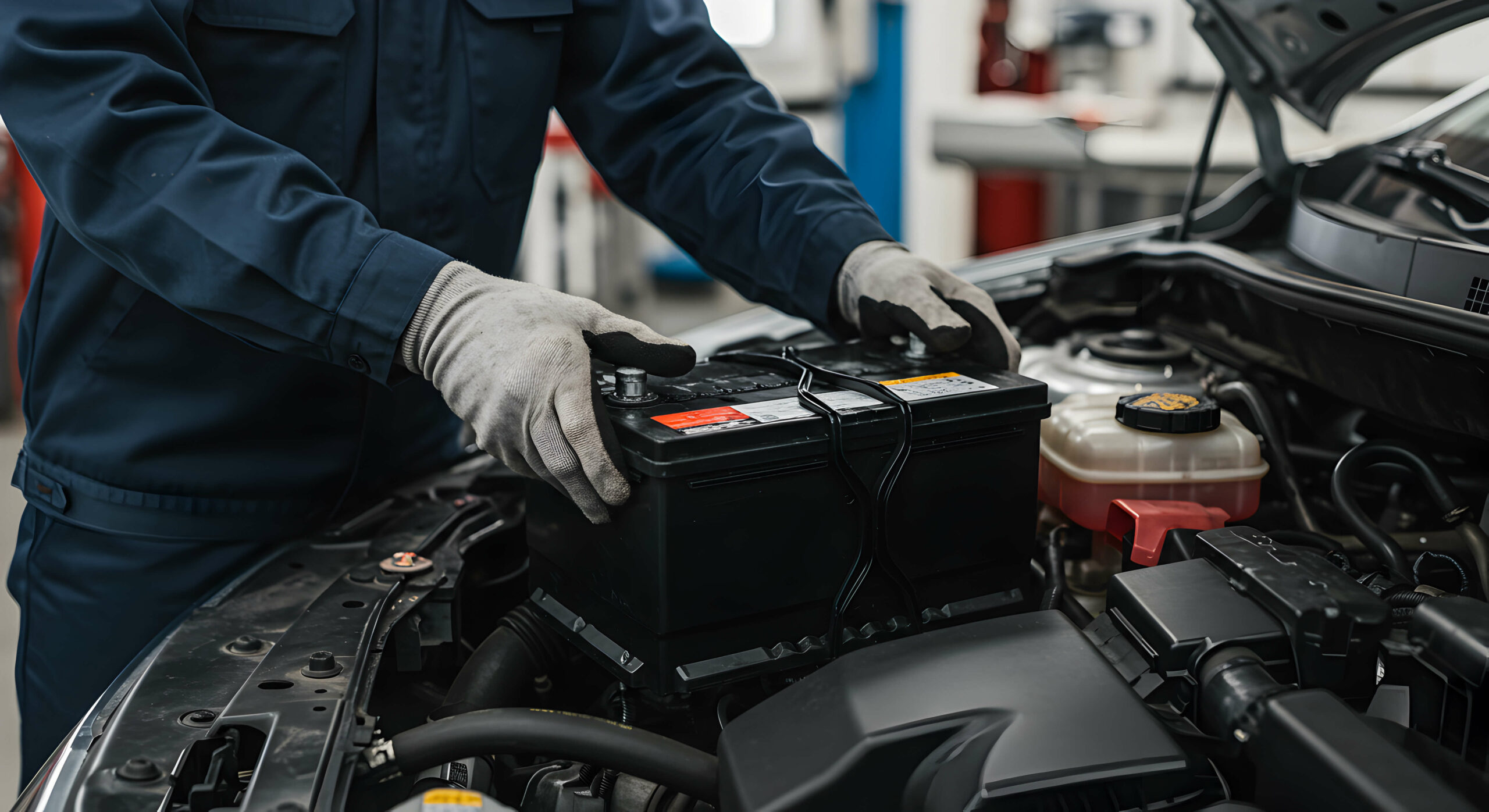
Why Your Car Battery Fails Suddenly Without Warning
Recent Post
- Why Road Construction Zones Can Confuse Lane-Detection Systems
- Why a Car Battery Can Test Healthy but Still Fail to Start the Engine
- What Makes a Windshield Installation Leak-Proof? A Look at Professional Sealing Techniques
- Long Festive Road Trips: 7 Windshield Checks to Make Before You Leave
- What Happens During a Professional Windshield Damage Inspection?
Blog Categories
 9818866364
 9599087715
 Insurance Claim


 1800-102-6364
 9818866364
 9599087715
