

23
How ADAS Windshield Recalibration Works: A Step-by-Step Guide for Car Owners

By AIS Windshield Experts
Category:
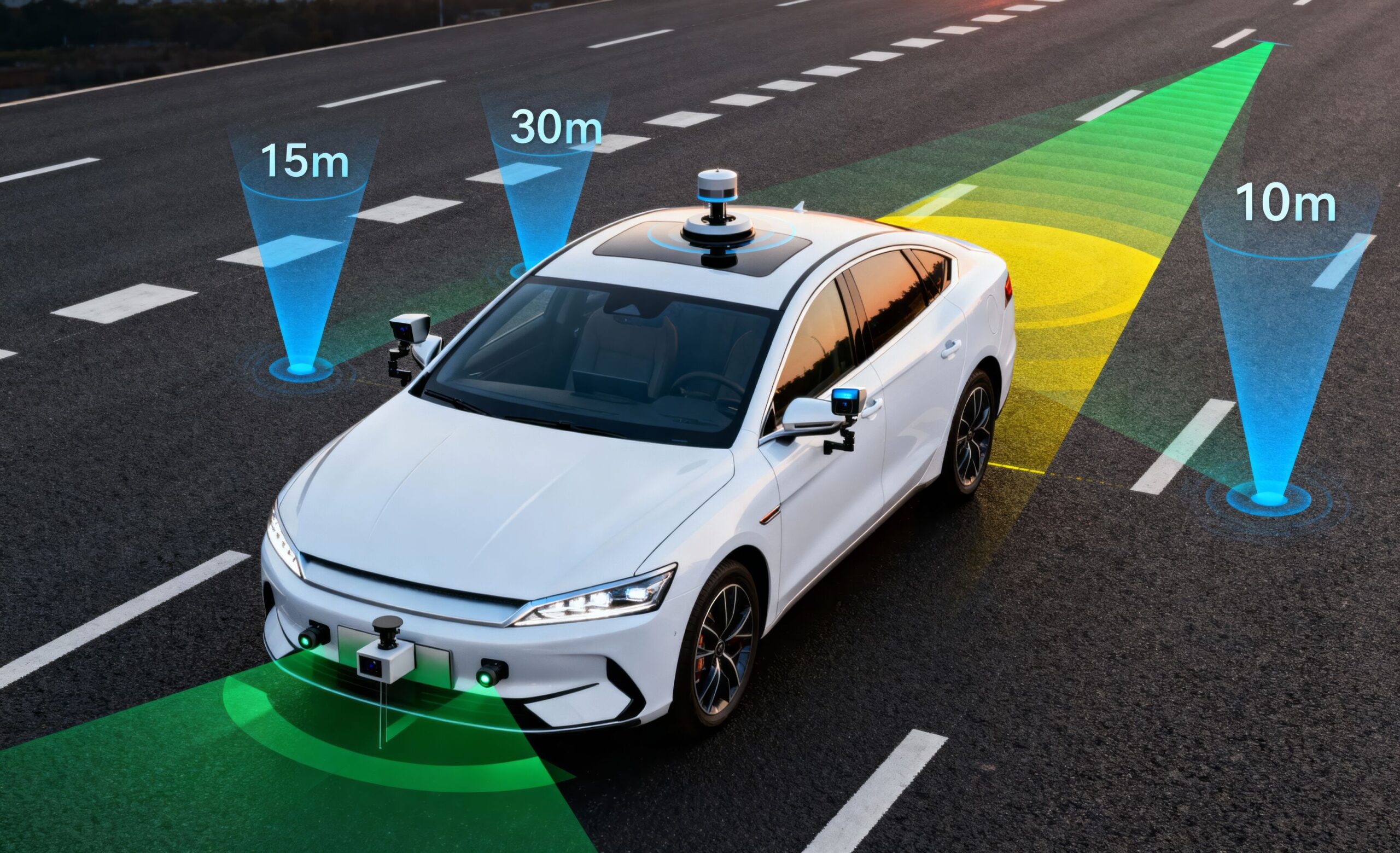
Modern cars rely heavily on advanced driver assistance systems (ADAS) for safety and convenience. These systems use car sensors and cameras, typically mounted on the windshield, to monitor the surroundings and assist in driving.
When the windshield is replaced, these sensors can shift slightly, resulting in inaccuracy. That’s where ADAS windshield recalibration comes in. It realigns the sensors to factory standards, ensuring features like lane assist and automatic braking work perfectly.
Step-By-Step ADAS Windshield Recalibration Process
Modern vehicles depend on ADAS windshield recalibration to ensure their safety systems, such as lane departure warning, adaptive cruise control and collision prevention, work accurately after a windshield replacement.
This process realigns car sensors and cameras to factory standards. At AIS Windshield Experts, recalibration is handled with precision and advanced tools, following a structured four-step process.
Step 1: Initial Inspection - Assessing Sensors and Windshield Condition
The process begins with a thorough inspection where experts check the sensors, cameras and mounting points around the windshield for dust, obstructions or physical damage.
Even minor misalignment or dirt can interfere with the calibration process. The new windshield’s installation is verified for proper fit, ensuring that there are no gaps or imperfections that could alter the camera’s view.
During this step, experts also review the vehicle’s diagnostic system for error codes and confirm compatibility with recalibration tools. This careful inspection helps determine whether the car needs static calibration, dynamic calibration or both, depending on the make and model.
Step 2: Static Calibration - Precision Alignment in a Controlled Environment
Once the initial checks are complete, static calibration is performed in a controlled workshop environment. This involves positioning the vehicle on a flat, well-lit surface and using specialised calibration targets or patterned boards placed at specific distances in front of the vehicle.
The onboard cameras and radar sensors are then adjusted using OEM-approved software to match the manufacturer’s specifications. During this process, no driving is required; it’s purely a workshop-based alignment, done with proper measurements.
Static calibration is essential because even a slight shift of a few millimetres in the windshield camera’s position can lead to incorrect readings. Proper alignment ensures the vehicle’s ADAS features, such as automatic emergency braking or lane-keeping assist, function as intended.
Step 3: Dynamic Calibration - Real-World Testing for Sensor Accuracy
After the static process, the vehicle undergoes dynamic calibration, also known as on-road calibration. This step fine-tunes the sensors and cameras under real-world driving conditions. Our technician drives the car at specific speeds on well-marked roads, adhering to the manufacturer's guidelines.
During the drive, the ADAS system gathers live data from road signs, lane markings and surrounding vehicles. The system uses this information to dynamically calibrate its sensors, adjusting to how the cameras and radar respond in actual traffic conditions.
Dynamic calibration ensures that car sensors correctly interpret real-world situations, such as the distance between vehicles, speed variations and lane outline. This real-time process verifies that all systems interact seamlessly, restoring the car’s safety technology to optimal performance.
Step 4: Verification - Confirming System Accuracy and Safety
The final and most crucial step is verification. Once both static and dynamic calibration are complete, our technicians recheck all system responses using diagnostic tools. They test ADAS features to assess their performance.
Any error codes are cleared, and the technician ensures that all sensor readings fall within the manufacturer's approved tolerances. This verification guarantees that the car’s safety systems respond correctly in real-time and that the windshield replacement aftercare process is fully complete.
Conclusion
Each step of ADAS windshield recalibration, from inspection to verification, is vital to maintaining the precision of modern car sensors.
At AIS Windshield Experts, every recalibration follows manufacturer guidelines using advanced tools and certified professionals. Proper calibration after windshield replacement ensures your ADAS system works flawlessly, keeping you and your loved ones safe on every drive.
Similar Post
-
21
Mandatory ADAS in India by 2027: How it Will Transform the Automotive Technology Industry
-
21
How Start-Stop Systems Change Battery Requirements in Modern Cars
-
21
How AIS Windshield Experts Provide Quick Windshield Replacement Without Compromising Passenger Safety
-
21
Why Windshield Replacement Is More Than Just Removing and Fitting Glass
-
21
Why Windshield Glass Thickness Affects Passenger Safety
Recent Post
- Mandatory ADAS in India by 2027: How it Will Transform the Automotive Technology Industry
- How Start-Stop Systems Change Battery Requirements in Modern Cars
- How AIS Windshield Experts Provide Quick Windshield Replacement Without Compromising Passenger Safety
- Why Windshield Replacement Is More Than Just Removing and Fitting Glass
- Why Windshield Glass Thickness Affects Passenger Safety
Blog Categories
 9818866364
 9599087715
 Insurance Claim


 1800-102-6364
  9818866364
  9599087715