

15
Can Flying Dust from Construction Sites Disturb ADAS Radar Accuracy?


Construction activity has become common across Indian roads, highways and city flyovers. Drivers now regularly pass through areas filled with cement particles, loose soil and flying dust clouds during everyday travel. At the same time, modern vehicles are becoming smarter with advanced safety systems that depend heavily on sensors and cameras.
Many drivers still assume these systems work perfectly in every condition. However, harsh road environments may affect how these technologies behave. This has raised concerns about ADAS radar accuracy, especially in vehicles frequently driven through active construction zones.
How ADAS Radar Sensors Function?
ADAS systems use radar sensors, cameras and software to monitor surrounding traffic conditions continuously while driving. These systems calculate vehicle distance, detect obstacles and help drivers respond faster during sudden road situations.
Radar sensors are commonly positioned near the front grille, bumper or windshield area, depending on the vehicle model. Cameras are usually mounted behind the windshield, near the rear-view mirror, for better forward visibility.
Modern vehicles depend on these systems for maintaining safe driving assistance functions. Even small disturbances around sensor areas may affect performance accuracy. This is why dust affecting ADAS sensors has become a growing discussion among drivers using connected safety technologies in India.
How Construction Dust Impacts Radar Accuracy
Flying construction dust may settle directly on radar covers, front cameras and windshield-mounted sensors during driving. Gradually, these particles create a thin layer that interferes with signal transmission and visibility accuracy.
Heavy dust exposure may reduce radar systems' ability to properly detect surrounding vehicles. In some situations, drivers may receive unnecessary warnings, delayed alerts or inconsistent sensor behaviour while travelling near construction zones.
The problem becomes more noticeable during dry weather, when loose particles remain suspended in the air for longer. Continuous exposure increases the chances of construction dust impact on ADAS performance, especially in vehicles travelling daily through metro expansion routes or highway construction projects.
This may eventually contribute to more noticeable ADAS radar accuracy issues during real driving conditions.
ADAS Features Commonly Affected
Several important driver-assistance features depend heavily on accurate radar and camera readings.
- Adaptive cruise control uses sensor data to maintain a safe distance from vehicles ahead while driving on the highway.
- Automatic emergency braking systems also rely on accurate object detection to support sudden braking (especially during emergencies).
- Forward collision warning systems continuously monitor road conditions and alert drivers when the risk of a collision increases.
When sensors become obstructed by dirt or particles, these systems may behave unpredictably. Drivers may notice delayed responses, unnecessary alerts or temporary system deactivation messages.
The risk of dust affecting ADAS sensors increases when windshield surfaces remain dirty or sensor areas are not cleaned regularly after travelling through construction-heavy areas.
Preventive Measures For Drivers
After driving through dusty roads or construction sites -
- Drivers should routinely check the windshield, front grille and sensor areas. In normal use, small amounts of dirt can progressively degrade sensor performance.
- Properly cleaning the windshield is especially important because many camera systems are positioned directly behind the glass.
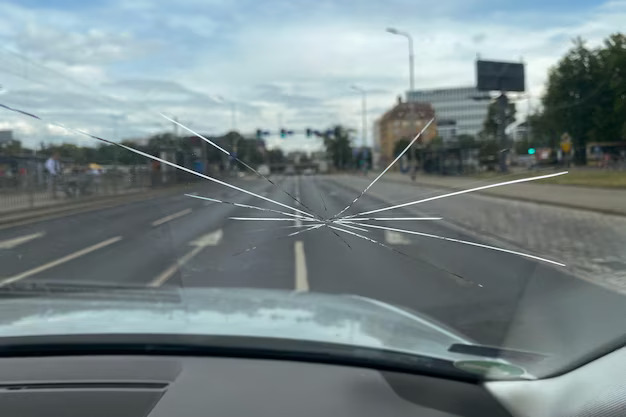
- Cracks, scratches and heavy dirt accumulation may interfere with camera visibility and overall ADAS functionality.
- Immediate inspection is recommended if drivers notice any unusual warnings or observe inconsistent sensor behaviour.
- In some cases, professional recalibration may also be required after complete windshield replacement (or sensor alignment alteration).
Conclusion
Drivers should never overlook unusual ADAS warnings while travelling through construction areas. At AIS Windshield Experts, we work with vehicle owners to keep them driving safely with professional inspections, sensor support and reliable windshield recalibration service solutions for modern connected vehicles.
Similar Post
-
31
How Rain-Sensing Wipers Can Misbehave During Heavy Monsoon Conditions
-
31
The Hidden Impact of Mud Splash on ADAS Camera Accuracy
-
31
Why Sudden Temperature Changes During Rainfall Affect Windshield Durability
-
31
How Rainwater Mixed With Road Oil Affects Windshield Clarity
-
31
How Monsoon Construction and Road Maintenance Activities Affect Windshield Safety
Recent Post
- How Monsoon Road Debris Increases the Need for Windshield Repair
- How Rain-Sensing Wipers Can Misbehave During Heavy Monsoon Conditions
- The Hidden Impact of Mud Splash on ADAS Camera Accuracy
- Why Battery Jump-Start Requests Increase During the Monsoon Season
- Why Frequent Defogger Usage Can Reveal Battery Weakness?
Blog Categories
 9818866364
 9599087715
 Insurance Claim


 1800-102-6364
  9818866364
  9599087715