

12
A Guide to Various Types of Sensors in a Car

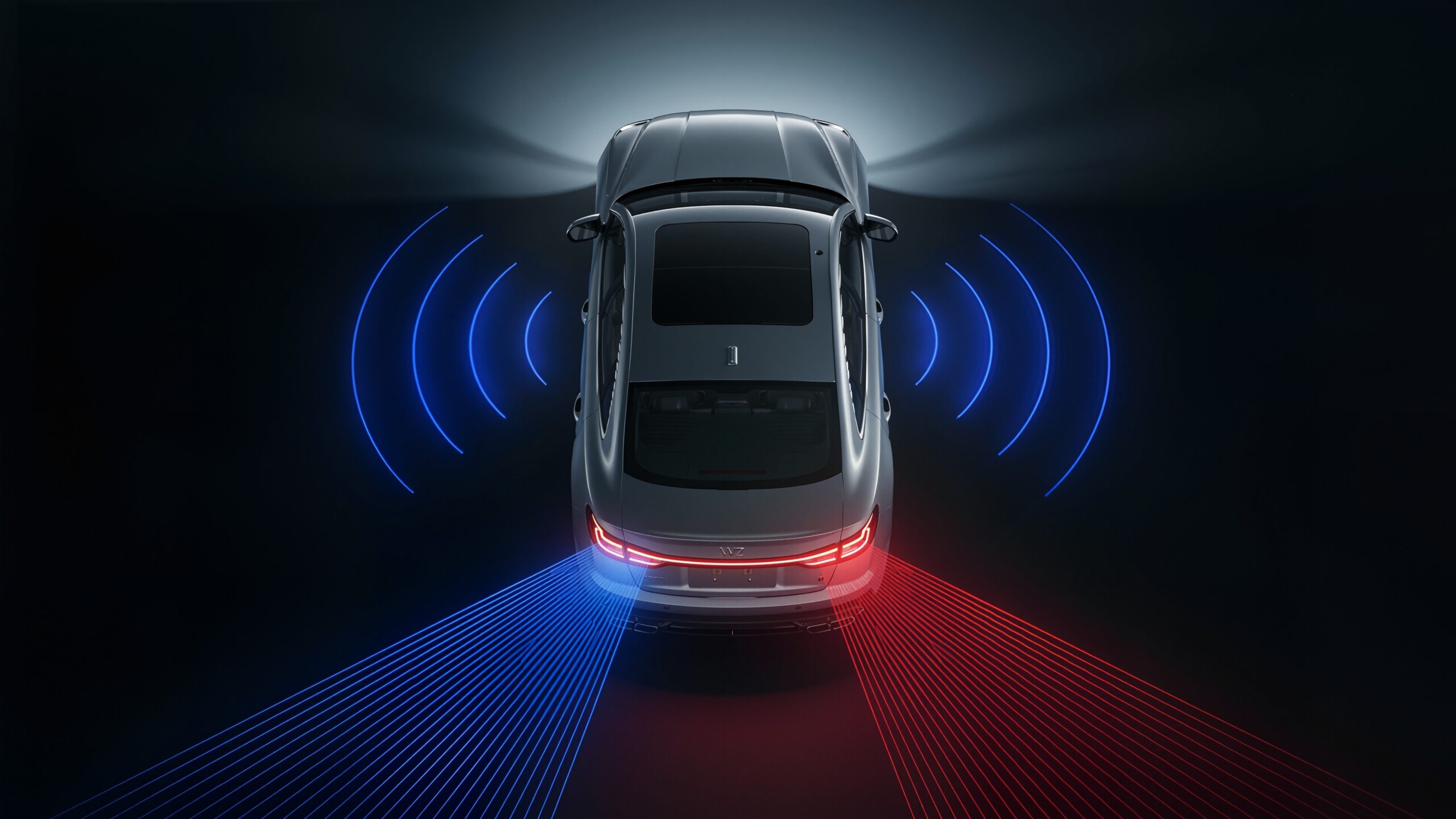
Every modern car is equipped with a range of intelligent sensors that enhance the driving experience.
When you start a modern car today, you activate an entire network of intelligent systems. This is because behind the dashboard and under the bonnet, multiple types of car sensors operate continuously. As a result, your vehicle feels smoother, safer and more responsive than older cars.
Previously, vehicles relied mainly on mechanical systems. Today, modern cars use electronic monitoring via sensors to collect data and send it to the ECU. The ECU then adjusts fuel ignition stability and safety features in real time.
Even systems like ADAS rely fully on accurate sensor communication. This is why understanding these systems becomes important.
Importance of Sensors in Modern Cars
Sensors are the first point in a car's electronic workflow. They detect changes in pressure, temperature, speed and airflow. This data goes directly to the ECU, which processes it in real time.
Hence, performance, fuel efficiency, and safety are continuously adjusted based on real-time inputs. Without proper operation of these car sensors, the vehicle cannot maintain optimal balance. A small error in sensor data can affect engine behaviour, braking response and even emissions control.
Car Engine Sensors: The Heartbeat Monitors of Your Car
The engine relies on several sensors to operate efficiently.
- The Mass Air Flow sensor measures the air entering the engine.
- The Manifold Absolute Pressure sensor monitors intake pressure.
- The Knock sensor detects abnormal combustion vibrations.
- The engine speed sensor and the camshaft position sensor control driving.
- The coolant temperature sensor prevents overheating.
- The oxygen sensor monitors exhaust gases and helps adjust the air-fuel mixture.
Together, these types of car sensors act like heartbeat monitors for your engine. If one fails, you may notice poor mileage or engine misfire.
Car Transmission Sensors: Ensuring Smooth Gear Shifts
Transmission sensors are very important to automatic gearboxes.
- The transmission speed sensor measures both the input and output speeds.
- The throttle position sensor monitors the position of the accelerator pedal.
- The transmission fluid temperature sensor maintains the system within reasonable limits.
All this information is sent to the transmission control unit to ensure smooth gear shifts with no sudden jerks. If transmission sensors fail, you may feel delayed shifting or unusual vibration while driving.
Safety Sensors for Guarding You on the Road
Safety systems today depend on advanced electronic monitoring.
- Tyre pressure sensors warn you about air loss.
- ABS sensors prevent wheel locking during hard braking.
- Steering angle sensors help maintain stability.
Modern vehicles equipped with ADAS use cameras, radar and ultrasonic sensors. These systems assist with lane keeping and emergency braking.
Many ADAS cameras are mounted on the windshield. Therefore, if your car undergoes a windshield replacement, proper windshield recalibration is essential. Without correct recalibration, ADAS accuracy may be reduced, and safety performance can be compromised.
Trust AIS Windshield Experts for proper replacements with high-quality equipment and parts.
Convenience Sensors for Enhanced Driving Experience
Sensors also improve comfort.
- Rain sensors activate wipers automatically when water hits the glass.
- Ambient temperature sensors adjust cabin cooling.
- Light sensors switch the headlights on when the surroundings become dark.
These types of car sensors make driving effortless. You may not notice them working. However, they continuously improve your driving experience without requiring manual input.
Innovative Car Sensors of the Future
The automotive world is moving towards automation. Future vehicles will increasingly rely on intelligent systems powered by ADAS.
Advanced camera systems, along with radar and GPS sensors, will increase the role of digital monitoring. Hence, sensor accuracy and calibration will become even more important in the coming years.
Signs of Car Sensor Failure
Sensor problems often show indirect symptoms.
- You may notice warning lights on the dashboard.
- Fuel efficiency may drop suddenly.
- Gear shifts may feel irregular.
- If ADAS functions stop responding properly, it could indicate alignment disturbance.
This situation is common after improper windshield replacement when recalibration was not performed accurately. Ignoring these signs can lead to more serious mechanical damage.
Professional Repairs and Replacement of Car Sensors
Sensors are delicate electronic components. They require specialised diagnostic equipment for accurate testing. Attempting random repairs can create additional faults. Vehicles equipped with ADAS demand careful handling, especially during glass repairs.
After any windshield replacement, professional windshield recalibration ensures cameras and sensors function correctly.
For precise glass installation and professional recalibration support, AIS Windshield Experts ensure your vehicle maintains both clarity and technological accuracy without compromise.
Conclusion
A variety of car sensors is essential for modern cars to ensure performance, stability and safety. All the engine monitoring, transmission control and advanced ADAS systems depend on precise sensor data.
When windshield damage occurs and replacement is necessary, sensor alignment must not be overlooked. Proper windshield recalibration ensures ADAS cameras remain accurate and that safety systems continue to work as designed.
Frequently Asked Questions
What are the different types of vehicle sensors?
Vehicle sensors include engine, transmission, safety, convenience and advanced ADAS sensors.
How many types of sensors and their functions are there?
There are multiple sensor categories, each performing a specific monitoring function related to engine performance, safety or driving comfort.
How many sensors does a car have?
Modern cars can have dozens of sensors, depending on installed features and ADAS systems.
What is an ECU?
An ECU (Engine Control Unit) processes sensor data and adjusts vehicle systems accordingly.
Similar Post
-
31
How Rain-Sensing Wipers Can Misbehave During Heavy Monsoon Conditions
-
31
The Hidden Impact of Mud Splash on ADAS Camera Accuracy
-
31
Why Sudden Temperature Changes During Rainfall Affect Windshield Durability
-
31
How Rainwater Mixed With Road Oil Affects Windshield Clarity
-
31
How Monsoon Construction and Road Maintenance Activities Affect Windshield Safety
Recent Post
- How Monsoon Road Debris Increases the Need for Windshield Repair
- How Rain-Sensing Wipers Can Misbehave During Heavy Monsoon Conditions
- The Hidden Impact of Mud Splash on ADAS Camera Accuracy
- Why Battery Jump-Start Requests Increase During the Monsoon Season
- Why Frequent Defogger Usage Can Reveal Battery Weakness?
Blog Categories
 9818866364
 9599087715
 Insurance Claim


 1800-102-6364
  9818866364
  9599087715