

31
Why Sudden Temperature Changes During Rainfall Affect Windshield Durability

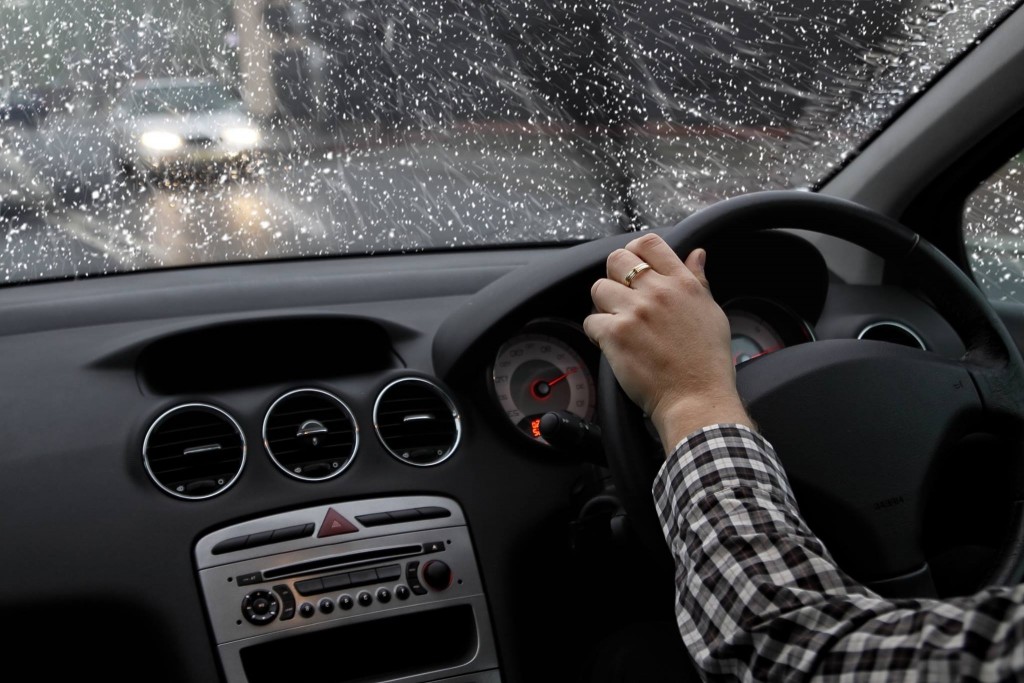
Most people think a flying stone is the biggest threat to a car windshield. In reality, the weather can quietly add to the problem. During the monsoon, it is common for a vehicle to remain under the hot sun for hours and then face heavy rain within minutes. The glass experiences a quick change in temperature, even though the driver may not notice it.
A strong, undamaged windshield usually handles these conditions without difficulty. Trouble begins when there is already a small chip or an unnoticed crack. That weak spot can respond differently to changing temperatures, making timely inspections an important part of monsoon car maintenance.
Understanding Thermal Stress In Windshields
Windshield glass is constantly responding to its surroundings. It warms up when exposed to sunlight and cools down when the weather changes. These movements are extremely small, but they happen every day.
During a rainy afternoon, the outer surface cools much faster than the inner side of the glass. At the same time, warm air inside the cabin or the air conditioner may create another temperature difference. This uneven heating and cooling places stress on the windshield.
A windshield in good condition generally manages this without any visible effect. However, a chip created by road debris or loose gravel has already weakened the glass. When extra stress builds around that area, the damage may spread.
That is why windshield durability depends not only on weather conditions but also on the condition of the glass before the rain begins.
Identifying The Most Common Situations Triggering Temperature Shock
Think about a regular summer day before the arrival of monsoon. The car has been parked outside while the afternoon sun heats the windshield. Suddenly, dark clouds appear and heavy rain starts. The outer surface cools rapidly, while the inner side remains warmer for some time.
Another situation is familiar to many drivers. After entering a hot vehicle, the air conditioner is immediately set to its coldest temperature. This does not automatically damage the windshield, but if there is an existing chip, the sudden difference in temperature may place additional pressure on that weak area.
Long drives also create similar conditions. After travelling through hot weather, an unexpected rain shower can change the temperature of the glass much faster than many people realise.
Why Minor Damage Becomes Major Cracks
Many drivers are surprised when a tiny chip becomes a long crack after a few weeks of rainy weather. The rain is rarely the direct reason. Instead, changing temperatures continue placing pressure on an already damaged section of glass.
Daily driving adds another challenge. Speed breakers, potholes and uneven roads create constant vibration. When these movements combine with thermal stress, the crack may grow more quickly.
Early windshield repair often prevents a small defect from becoming a larger problem. Waiting until the crack reaches the driver's line of sight usually leaves fewer repair options.
Protecting Windshields From Temperature-Related Damage
Good habits make a noticeable difference.
- If you discover a chip before the rainy season, arrange a professional inspection instead of waiting for it to spread.
- Prompt windshield repair is usually easier than dealing with a larger crack later.
- Cool the cabin gradually after the vehicle has been parked in direct sunlight. This reduces sudden temperature differences across the glass.
- Regular inspections should also become part of monsoon car maintenance. Looking closely at the windshield after storms or long highway journeys allows small problems to be identified early.
These simple steps improve windshield protection in rain and reduce the possibility of unexpected damage.
Conclusion
Temperature may not weaken your windshield directly. However, not maintaining your car’s windshield and ignoring cracks and chips can result in further damage instigated by changing temperatures.
At AIS Windshield Experts, every windshield is carefully inspected to effectively find the most adequate solutions. Whether the glass needs repair or replacement, our team focuses on restoring safety and maintaining reliable windshield protection in rain.
Similar Post
-
31
How Rain-Sensing Wipers Can Misbehave During Heavy Monsoon Conditions
-
31
The Hidden Impact of Mud Splash on ADAS Camera Accuracy
-
31
How Rainwater Mixed With Road Oil Affects Windshield Clarity
-
31

How Monsoon Construction and Road Maintenance Activities Affect Windshield Safety
-
31
Why Windshield Washer Systems Fail More Frequently During Monsoon
Recent Post
- How Monsoon Road Debris Increases the Need for Windshield Repair
- How Rain-Sensing Wipers Can Misbehave During Heavy Monsoon Conditions
- The Hidden Impact of Mud Splash on ADAS Camera Accuracy
- Why Battery Jump-Start Requests Increase During the Monsoon Season
- Why Frequent Defogger Usage Can Reveal Battery Weakness?
Blog Categories
 9818866364
 9599087715
 Insurance Claim


 1800-102-6364
  9818866364
  9599087715