

24
Why Windshield Damage Increases Near Flyovers and Elevated Roads

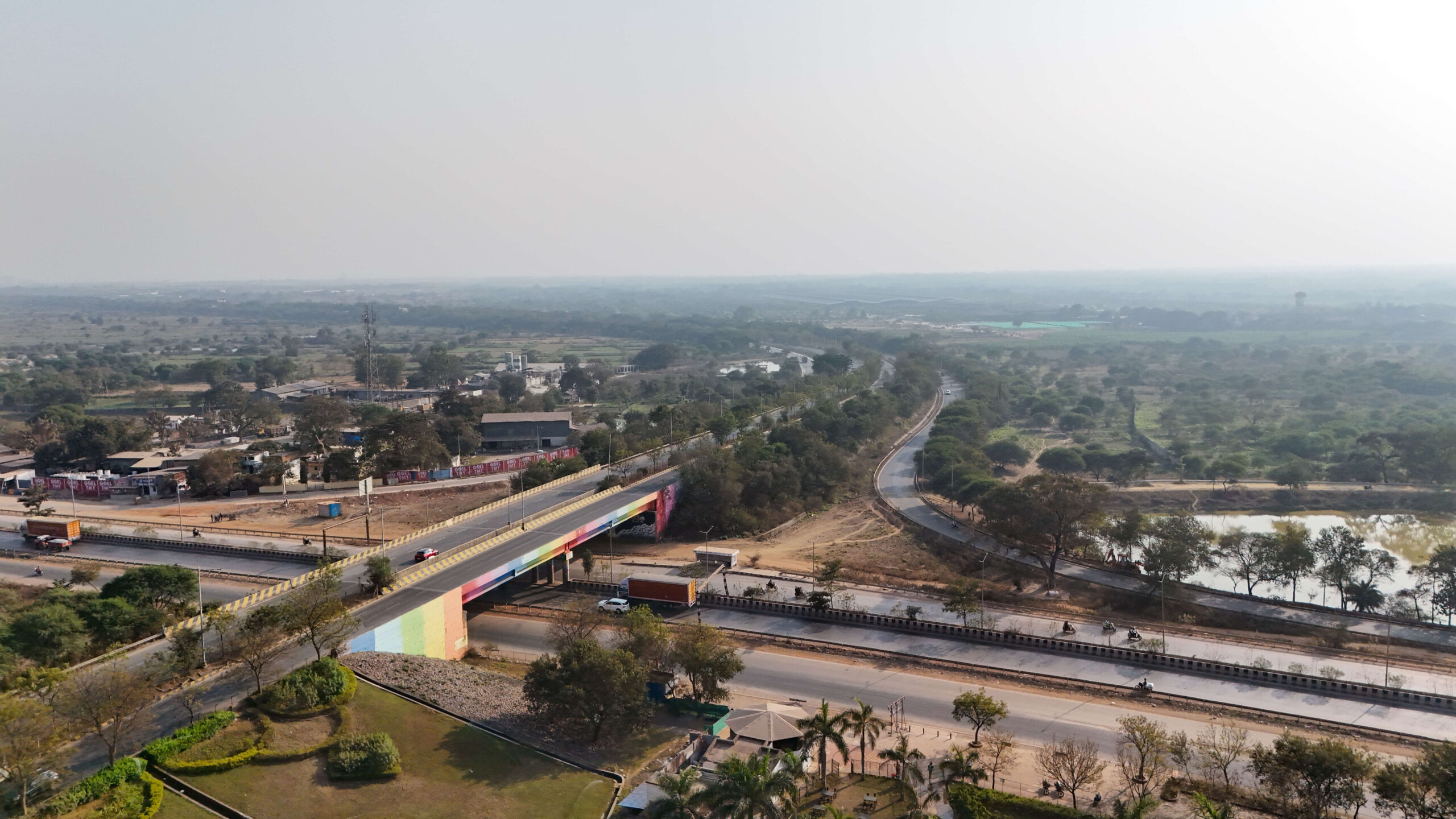
Flyovers and elevated roads improve traffic flow during the day. However, they put your windshield at risk. These routes often have loose stones, construction debris, heavy vehicles, uneven joints and sudden changes in speed.
For many drivers, damage starts with a tiny chip after a regular drive. On elevated roads, chips can spread quickly because of air pressure and repeated impacts.
Road Conditions Around Flyovers That Increase Glass Damage
- Loose Gravel and Construction Debris: Flyovers are often close to road repairs, metro work or widening projects. This can create particles that become loose and stick to the windshield. This can be one of many reasons you may need stone-chip windshield repair.
- Heavy Vehicle Movement: Buses, trucks and delivery vehicles frequently use elevated roads. Their larger tyres can throw loose gravel with greater force than those of smaller cars. Large vehicles like these can throw large debris on the road. This can chip your windshield if you are driving too close behind them.
- Uneven Surfaces and Expansion Joints: Flyovers are elevated, so they require expansion joints to accommodate traffic flow and thermal expansion. Expansion joints can create bumps and rough patches. This can cause a windshield chip and spread quickly if the structures create too much vibration.
How Speed and Elevation Affect Windshield Safety
- Faster Speeds Increase Impact Force: Big-city roads tend to have more traffic, so cars often travel faster on flyover roads. Stone and gravel kicked up by a car ahead of you travel faster and have more of a chance to crack your windshield.
- Wind Pressure at Height: Elevated roads are more open to wind. Strong airflow will not damage a windshield without chips. However, airflow can damage an already weak, chipped windshield.
- Sudden Braking Near Ramps: Entry and exit ramps are often areas where drivers must merge, change lanes, and brake suddenly. This can cause significant stress on the vehicle's body. The windshield absorbs some of this stress, as well as the sudden movement caused by the ramps.
Why Small Chips Spread Faster in These Conditions
- Constant Vibration: Small chips can easily spread and worsen a crack because of constant vibration. This is also why even the smallest chips are a big deal.
- Heat and AC Cooling: Long urban drives can cause the windshield to heat up. If the AC is turned on, the windshield's inner surface can cool quickly. This quick change can worsen damage. It’s important to repair cracks in the front glass as soon as possible to prevent further damage.
- Repeated Minor Impacts: Flyovers repeatedly expose loose road debris to vehicles. One hit seems harmless. However, over time, consistent exposure to flyovers can weaken a windshield.
Preventive Measures for Drivers Using Flyovers Frequently
- Keep Distance from Heavy Vehicles: Maintaining distance from trucks, buses, and construction vehicles can reduce the risk of flying debris hitting your windshield.
- Repair Chips Early: Having a windshield chip is not only unattractive, but it can also worsen the issue. Spreading chips can lessen your visibility and will likely lead to a more costly emergency windshield replacement.
- Get a Professional Inspection: Damage can appear minimal on the windshield, but it can actually be significant and require a more costly replacement. Going to a trusted car glass service centre can help ensure your vehicle's safety and visibility.
Conclusion
Flyovers and elevated roads can make driving more efficient, but they can also increase the frequency of glass damage from road debris. Speed, wind pressure and vibration can also impact the integrity of your windshield.
Before small flyover-related glass damage turns into a big issue, talk to AIS Windshield Experts to get the best front glass crack repair, replacement, and inspection service.
Similar Post
-
21
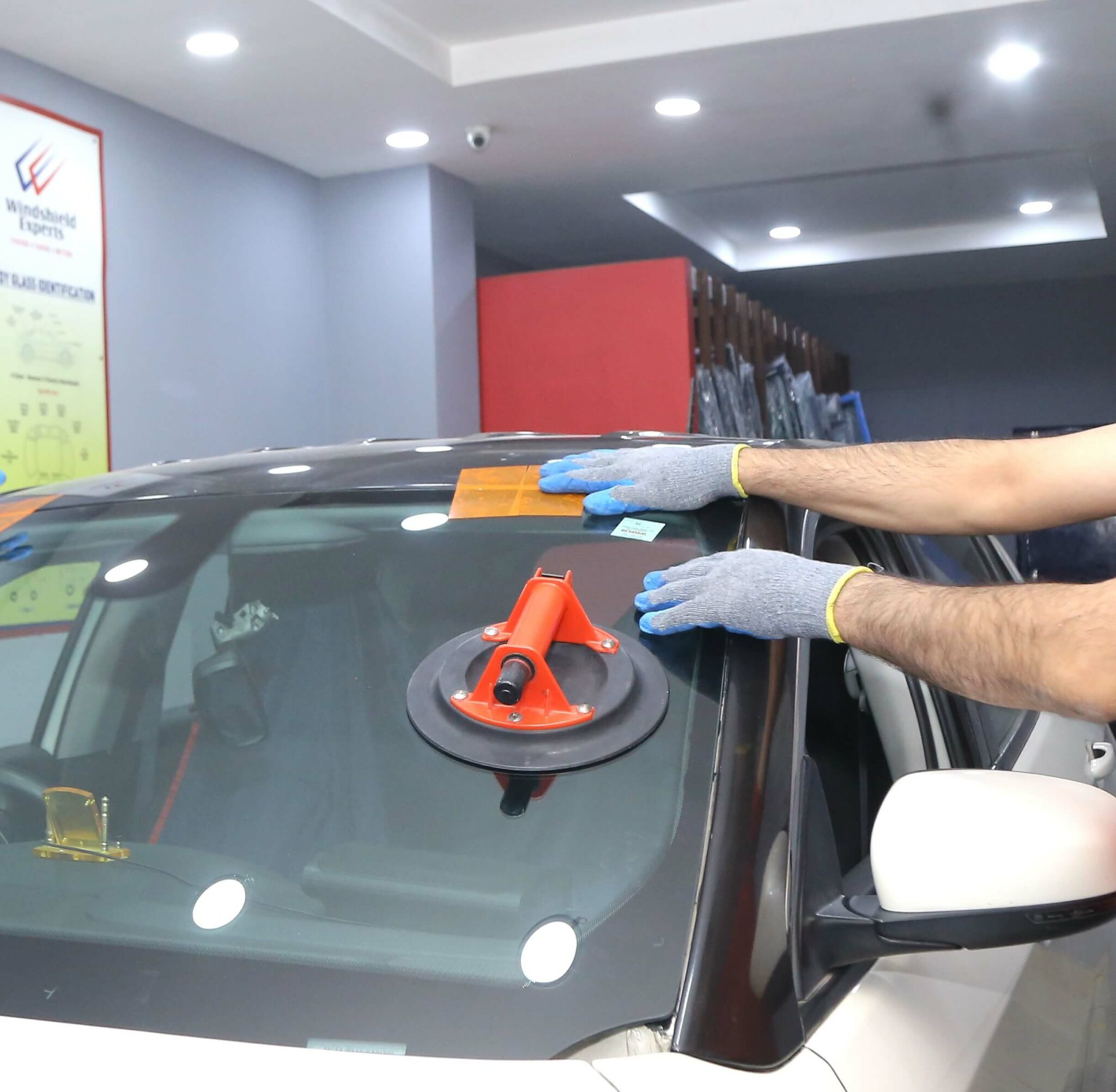
How AIS Windshield Experts Provide Quick Windshield Replacement Without Compromising Passenger Safety
-
21
Why Windshield Replacement Is More Than Just Removing and Fitting Glass
-
21
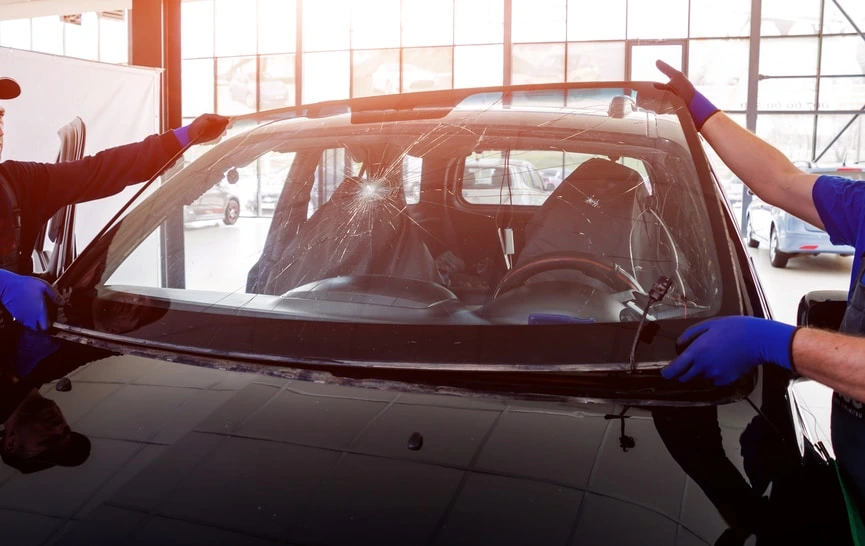
Why Windshield Glass Thickness Affects Passenger Safety
-
21
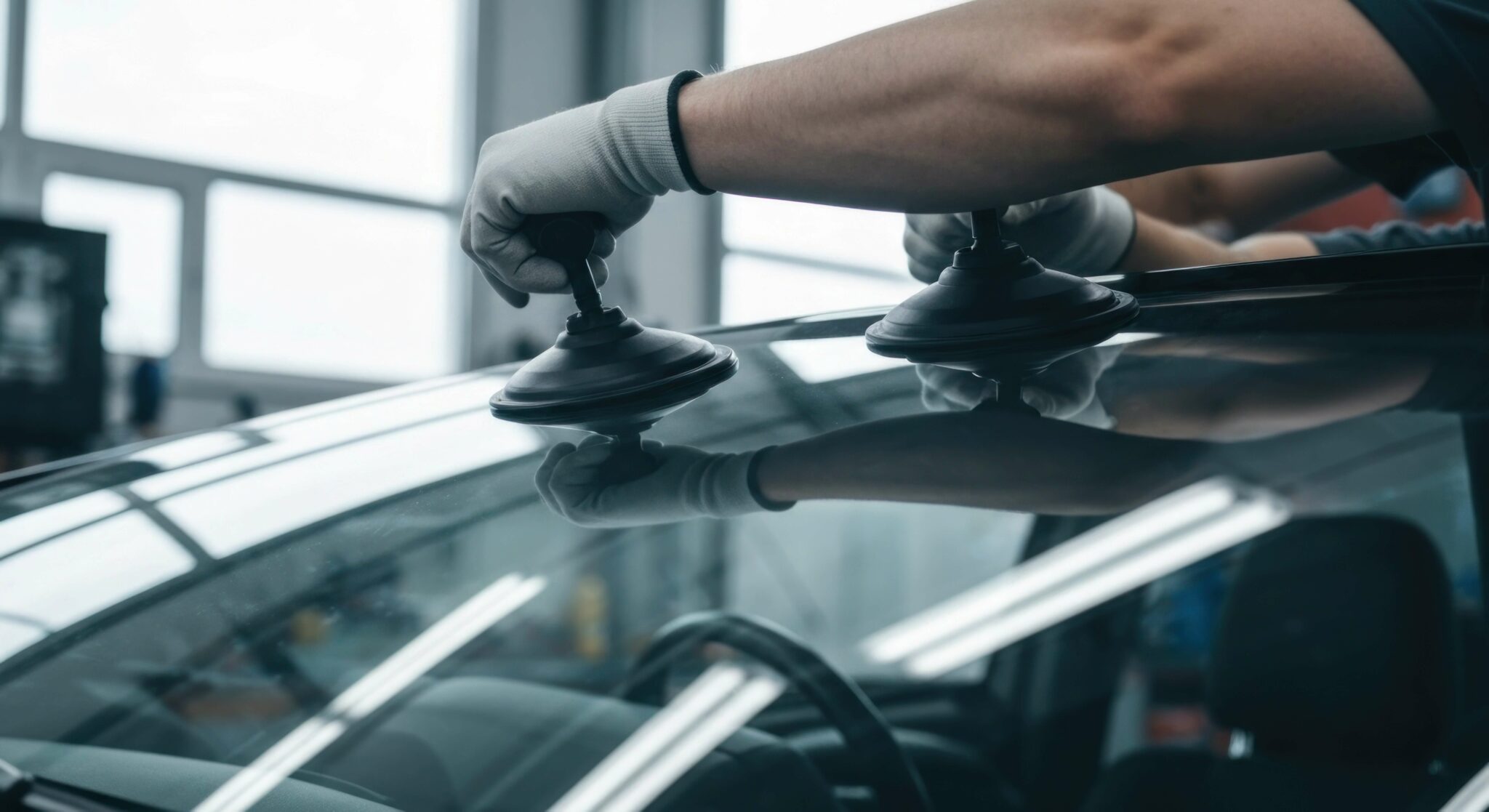
Professional Windshield Replacement Services: Why Expert Installation Matters for Passenger Safety
-
21
Nissan Tekton vs Hyundai Creta vs Kia Seltos: Which SUV Should Indian Buyers Choose in 2026?
Recent Post
- Mandatory ADAS in India by 2027: How it Will Transform the Automotive Technology Industry
- How Start-Stop Systems Change Battery Requirements in Modern Cars
- How AIS Windshield Experts Provide Quick Windshield Replacement Without Compromising Passenger Safety
- Why Windshield Replacement Is More Than Just Removing and Fitting Glass
- Why Windshield Glass Thickness Affects Passenger Safety
Blog Categories
 9818866364
 9599087715
 Insurance Claim


 1800-102-6364
  9818866364
  9599087715