

16
The Chemistry of Windshield Adhesives: Why Some Fail in 6 Months

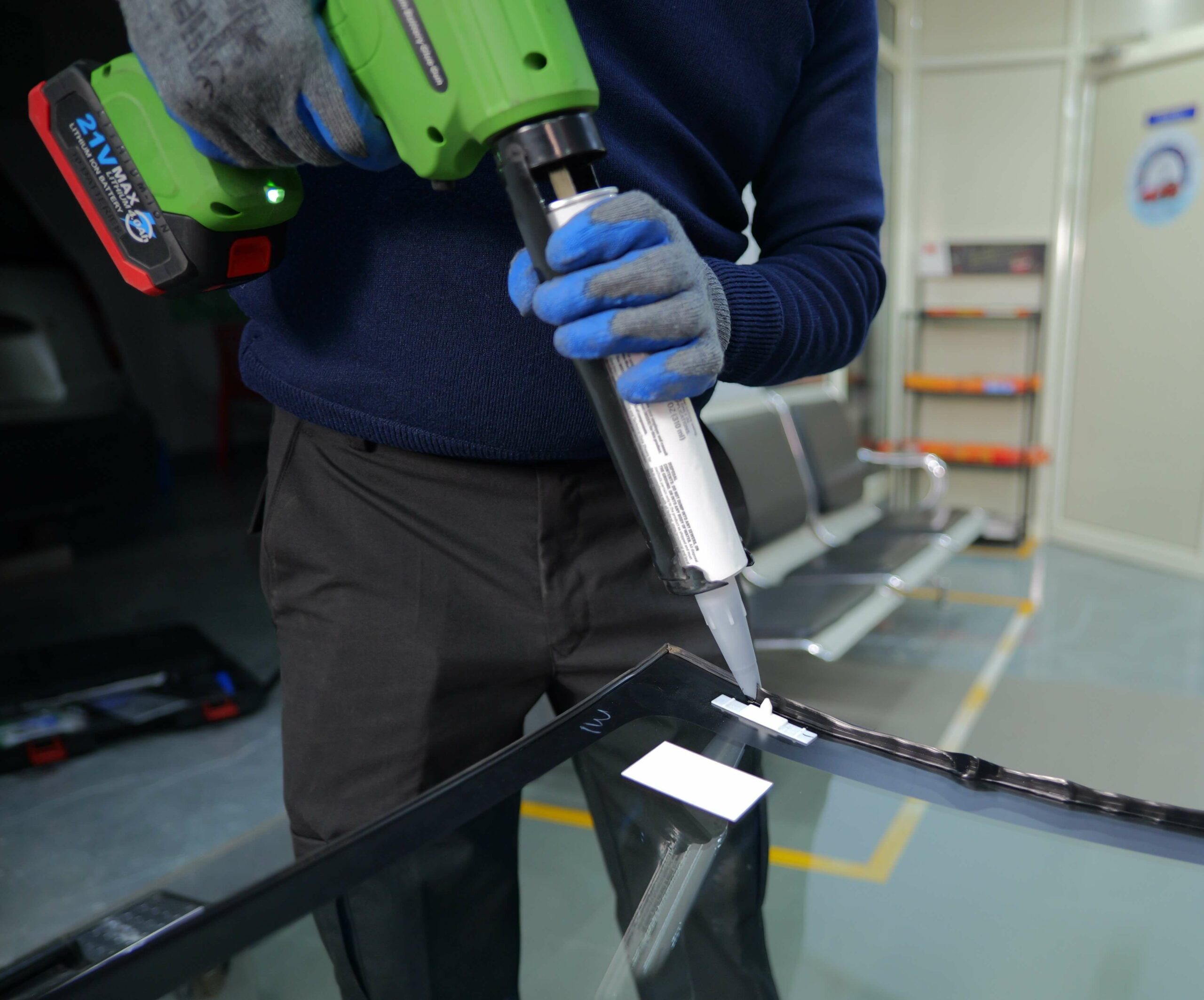
Modern windshields do much more than block wind, dust and rain. They are now an essential part of a vehicle’s structural and safety system. From supporting airbags during deployment to helping maintain roof strength in a collision, the windshield plays a bigger role than most drivers realise. But none of this works properly without the right adhesive.
The bonding material used to secure the glass is responsible for holding everything together under pressure, heat and vibration. When low-quality materials or improper installation methods are involved, that bond can weaken surprisingly fast.
This can lead to leaks, instability and safety concerns within just a few months. In many cases, what starts as minor leakage or vibration can eventually lead to serious windshield adhesive failure.
What Windshield Adhesives Are Made Of
Most modern vehicles use urethane-based adhesives for windshield installation. These adhesives are specifically designed to create a strong, flexible bond between the glass and the vehicle's metal body. Unlike older rubber gasket systems, urethane adhesives can better withstand vibrations, temperature changes and road stress.
The chemistry behind these adhesives is equally important. Once applied, the adhesive begins a curing process in which it reacts with moisture in the air to form a durable chemical bond. Proper curing ensures the windshield remains securely attached even during sudden impact or high-speed driving.
This is why professional installation matters. At AIS Windshield Experts, trained technicians follow manufacturer-approved bonding procedures to ensure long-term performance and safety.
Common Reasons Adhesives Fail Early
Several factors can reduce adhesive performance and shorten its lifespan. Some of the most common causes are:
- Poor installation practices: Incorrect application thickness, uneven bead placement, or rushed installation can significantly weaken the bond.
- Improper curing time: Vehicles driven too soon after installation may not allow the adhesive enough time to fully cure and strengthen.
- Use of low-quality adhesive materials: Cheap or non-certified adhesives often lack the strength and flexibility required for modern vehicles, leading to auto glass adhesive problems over time.
- Contamination from dust or moisture: Even small amounts of dirt, oil or water can interfere with bonding and affect adhesive performance.
Many early bonding issues are not caused by the glass itself but by shortcuts taken during installation.
Risks of Windshield Adhesive Failure
When windshield bonding weakens, the effects can go beyond simple inconvenience. Some of the risks include:
- Water leakage and wind noise: Gaps in the adhesive seal can allow moisture and air to enter the cabin, especially during heavy rain or on the highway.
- Reduced windshield stability during accidents: A poorly bonded windshield may detach or shift during impact, reducing the vehicle's roof's structural support.
- Impact on airbag deployment safety: In many cars, airbags rely on the windshield for proper support during deployment. Weak bonding can affect this process and reduce passenger protection.
These risks clearly show how windshield adhesive durability impacts overall vehicle safety.
How Professionals Ensure Long-Lasting Bonding
Professional windshield replacement services follow strict procedures to ensure reliable bonding performance. This includes:
- Using OEM-approved urethane adhesives that meet vehicle manufacturer standards
- Maintaining a controlled installation environment free from excess dust and moisture
- Allowing sufficient curing time before vehicle delivery
- Conducting detailed inspections to check bond quality and sealing accuracy
AIS Windshield Experts follows industry-recommended practices and uses advanced installation techniques designed for modern vehicles and safety systems.
Conclusion
Windshield adhesives may not be visible, but they are one of the most important components in a vehicle’s safety structure. A properly bonded windshield improves structural strength, supports airbags and protects against leaks and instability.
Choosing certified professionals for windshield replacement can make a major difference in long-term safety and performance. With OEM-grade materials, trained technicians and proper installation processes, AIS Windshield Experts help ensure your windshield remains secure, durable and road-ready for years to come.
Similar Post
-
31
How Rain-Sensing Wipers Can Misbehave During Heavy Monsoon Conditions
-
31
The Hidden Impact of Mud Splash on ADAS Camera Accuracy
-
31
Why Sudden Temperature Changes During Rainfall Affect Windshield Durability
-
31
How Rainwater Mixed With Road Oil Affects Windshield Clarity
-
31
How Monsoon Construction and Road Maintenance Activities Affect Windshield Safety
Recent Post
- How Monsoon Road Debris Increases the Need for Windshield Repair
- How Rain-Sensing Wipers Can Misbehave During Heavy Monsoon Conditions
- The Hidden Impact of Mud Splash on ADAS Camera Accuracy
- Why Battery Jump-Start Requests Increase During the Monsoon Season
- Why Frequent Defogger Usage Can Reveal Battery Weakness?
Blog Categories
 9818866364
 9599087715
 Insurance Claim


 1800-102-6364
  9818866364
  9599087715