

31
Why Frequent Defogger Usage Can Reveal Battery Weakness?

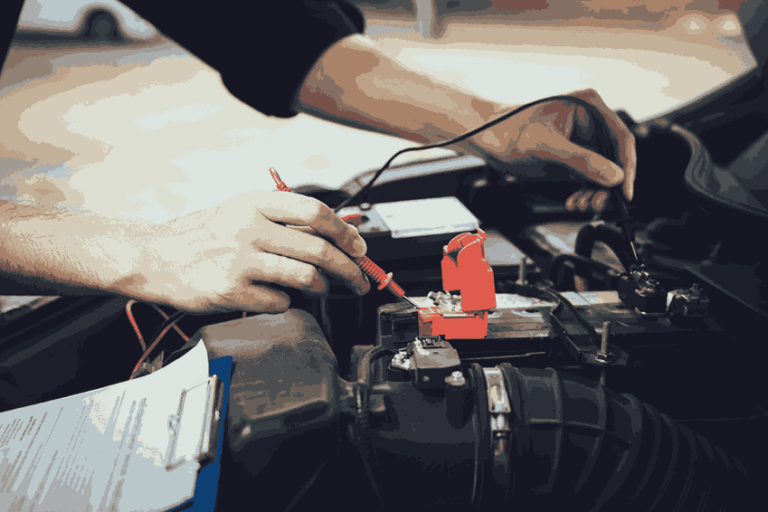
Driving during the monsoon often means dealing with fogged windows. Moisture settles on the windshield and rear glass, making it difficult to see the road clearly. Most drivers switch on the defogger without giving it a second thought because it quickly restores visibility.
What many people do not realize is that frequent defogger use also places additional demand on the vehicle's electrical system. A healthy battery handles this without difficulty. An ageing battery, however, may begin showing signs of trouble. This is one reason why monsoon car battery care should never be ignored before the rainy season begins.
How Do Defoggers Consume Electrical Power?
Rear defoggers use heating lines built into the glass to remove moisture. The front defogging function works with the blower and air conditioning to clear the windshield. Both systems require electrical power to operate.
During heavy rain, the defogger is rarely the only feature in use. Wipers run continuously, headlights stay on for better visibility, and many drivers keep the air conditioning operating throughout the journey. Together, these systems increase the electrical load on the vehicle.
A battery in good condition continues to perform normally. However, if the battery has already weakened, this extra demand may contribute to noticeable car battery drainage during daily driving.
Why Weak Batteries Struggle Under Extra Load
A battery does not usually stop working overnight (the deterioration is gradual). Its performance declines gradually with age, regular charging cycles and changing weather conditions. The problem often becomes noticeable only when extra power is needed.
Rainy weather creates exactly that situation. Longer journeys in slow-moving traffic, repeated engine starts and constant use of electrical accessories place more pressure on the battery than usual. If it is already nearing the end of its service life, the difference becomes easier to notice.
Even the limited access to charging stations, especially in slow-moving traffic, can make the battery work twice as hard to keep everything running. Regular car battery maintenance helps identify a weak battery before it causes inconvenience.
Warning Signs Drivers Should Watch For
- The engine may crank more slowly than usual in the morning.
- The headlights may dim briefly when several accessories are switched on.
- Power windows may move less smoothly.
- The battery warning light may appear for a short time before disappearing.
These signs should not be ignored, particularly during the monsoon. Continued car battery drainage may eventually leave the vehicle unable to start when it is needed most.
Preventive Battery Care During Monsoon
- A simple battery inspection before the rainy season can prevent unnecessary breakdowns.
- Load testing helps determine whether the battery can still deliver sufficient power under normal operating conditions.
- The charging system should also be checked to confirm that the alternator is functioning properly.
- Battery terminals deserve attention as well. Dirt and corrosion around the connections may affect electrical performance over time.
- Replacing an ageing battery before it fails is often more convenient than waiting for an emergency.
At AIS Windshield Experts, we provide battery services along with our automotive glass solutions. Drivers searching for battery replacement near me can rely on our team for professional inspections and suitable replacement options. Good monsoon car battery care keeps the vehicle dependable throughout the season.
Conclusion
Frequent defogger use does not damage a healthy battery. Instead, it often highlights an existing weakness that may have remained unnoticed during normal weather conditions. Paying attention to small warning signs can help prevent unexpected starting problems.
Routine car battery maintenance improves reliability throughout the year, especially during the monsoon when electrical demand is higher.
Similar Post
-
31

Why Battery Jump-Start Requests Increase During the Monsoon Season
-
31
How Monsoon Traffic Jams Put Extra Load on Your Car Battery
-
15
Why Your Car Battery Fails Suddenly Without Warning
-
12
5 Signs Your New Car Battery Might Be Flawed
-
21

How EV Battery Warranty Impacts Long-Term Ownership Cost in India
Recent Post
- How Monsoon Road Debris Increases the Need for Windshield Repair
- How Rain-Sensing Wipers Can Misbehave During Heavy Monsoon Conditions
- The Hidden Impact of Mud Splash on ADAS Camera Accuracy
- Why Battery Jump-Start Requests Increase During the Monsoon Season
- Why Frequent Defogger Usage Can Reveal Battery Weakness?
Blog Categories
 9818866364
 9599087715
 Insurance Claim


 1800-102-6364
  9818866364
  9599087715