

12
Ultimate Guide to Car Inspections: How to Identify and Fix Common Car Problems

When you drive your car every day, you assume everything is fine because it runs the same. The engine starts smoothly, the brakes respond properly, and the AC cools as expected.
However, most common car problems do not appear overnight. They develop gradually and provide early warning signs before becoming serious. Thus, regular car inspections are essential for keeping your car in check.
Benefits of Regular Car Inspections
If you make inspections a habit, you reduce the chances of surprise breakdowns. Small leaks, worn brake pads or weak batteries can be detected early. Therefore, you must fix them before they become daily car problems.
Regular checks also improve fuel efficiency and overall performance. A clean air filter, proper tyre pressure and correct fluid levels help the engine work smoothly. As a result, your driving experience becomes safer and more comfortable in all weather conditions.
Things You Can Inspect in Your Car at Home
- Before starting the engine, you can visually check for oil or coolant leaks under the vehicle.
- You can also inspect tyre pressure and tread depth. These small steps help you understand how to inspect car systems without professional tools.
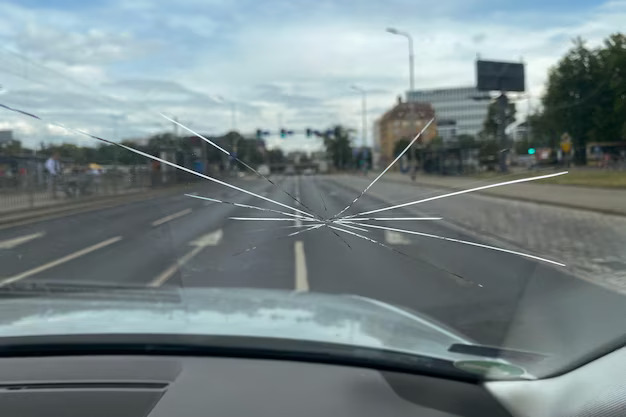
- Next, check your windscreen carefully. Even a minor chip can spread due to heat and vibration.
Instead of waiting for a full windshield replacement, early windshield repair can prevent further damage. Trust AIS Windshield Experts for quality repairs and replacements.
Other Important Checks
Engine Related Issues
Your engine gives clear signals when something is wrong. Knocking sounds, overheating, or excessive smoke are not normal. Reduced mileage and slow acceleration are also common signs of engine problems.
Braking System Issues
Brakes directly affect your safety. If you hear grinding or squeaking sounds while braking, it may indicate worn brake pads. A soft brake pedal or increased stopping distance should never be ignored.
Problems in the Car AC System
Driving in summer without proper cooling becomes uncomfortable. If warm air blows from the vents, the refrigerant level may be low. Weak airflow often indicates a clogged cabin filter.
Steering and Suspension Problems
If your car pulls to one side, it usually means alignment issues. Vibrations in the steering wheel may indicate suspension wear, and uneven tyre wear is another warning sign.
Issues in the Electrical System
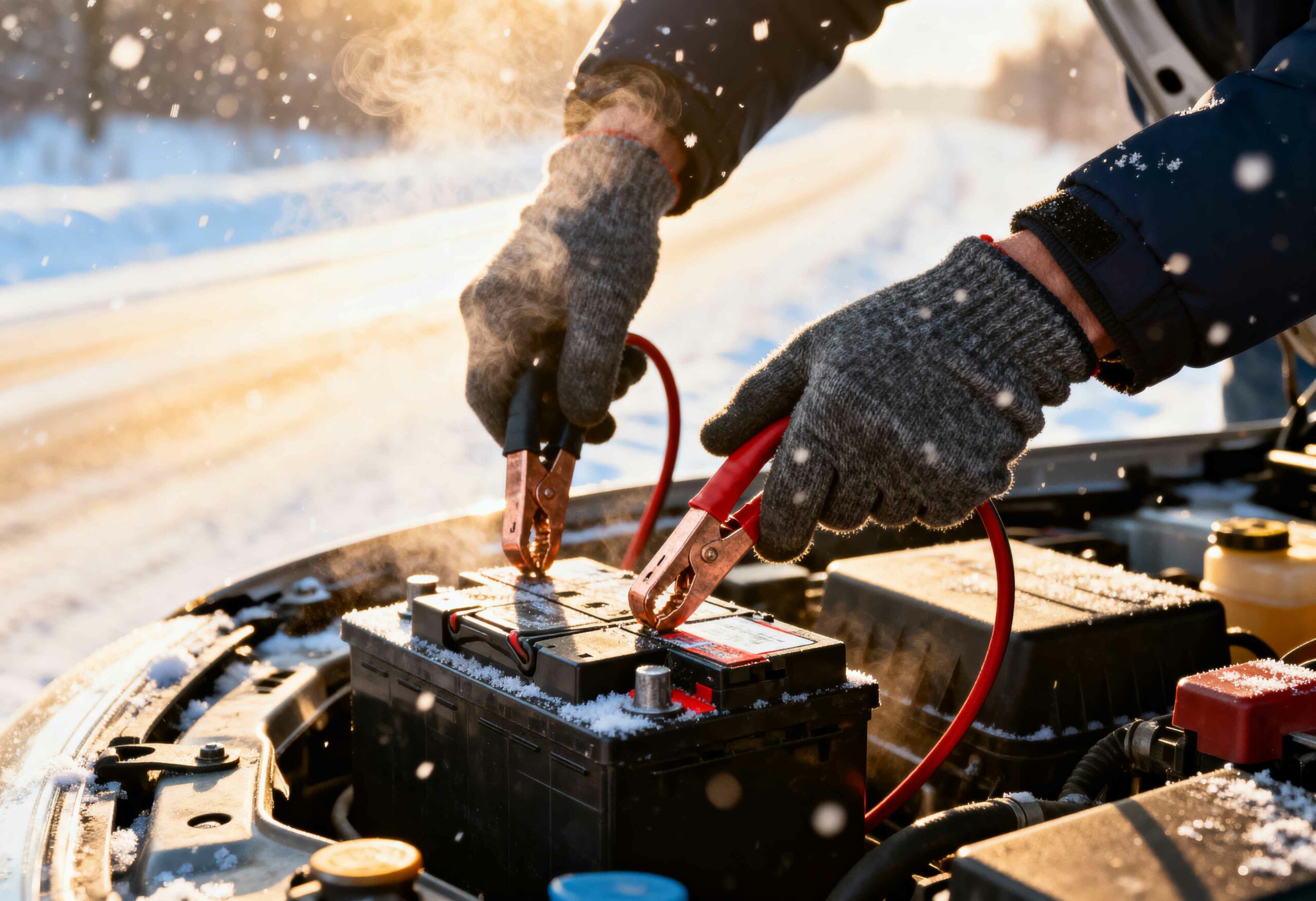
Dim headlights or slow engine cranking often indicate battery problems. Loose or corroded terminals may cause flickering lights.
Tyres Related Issues
- Tyres directly influence safety and mileage.
- Frequent air loss usually means punctures.
- If tread depth falls below safe limits, grip reduces significantly.
Common Exterior and Interior Defects
- Scratches, dents and rust can all occur on your car during daily driving.
- Underbody corrosion may reduce the structure's strength over time.
- Wear and tear, such as fading dashboards or seats, lowers resale value.
Reasons Your Car Might Fail an Inspection
Your car may fail inspection due to worn brake pads, faulty lights, engine error codes or emission issues. Fluid leaks and damaged tyres are also common reasons.
Conclusion
Regular inspections help you detect common car problems before they become serious. It improves safety, reliability and fuel efficiency. Even something as simple as a minor crack on the windscreen should not be ignored.
For professional inspections and trusted solutions across India, AIS Windshield Experts provide high-quality repairs and replacements to keep your driving experience safe and worry-free.
Frequently Asked Questions
What is the importance of a routine car inspection?
A routine inspection helps detect small issues early, before they escalate into costly repairs or sudden breakdowns.
How often should I inspect my car?
You should perform a basic inspection at least once every month to keep your vehicle in good condition.
Can I perform a car inspection myself?
Yes, you can easily check tyre pressure, fluid levels, lights and visible damage at home without professional tools.
What are some common issues found during a car inspection?
Worn brake pads are among the most commonly detected issues during routine inspections.
What tools do I need for a basic car inspection at home?
A simple tyre pressure gauge is usually enough for basic inspection checks at home.
What are the signs my car needs an immediate inspection?
If a warning light appears on the dashboard, you should get your car inspected immediately.
How does a regular car inspection improve fuel efficiency?
Maintaining correct tyre pressure improves fuel efficiency and reduces engine strain.
Should I inspect my car before a road trip?
Yes, always check your tyres before starting a long road trip to avoid unexpected issues.
Similar Post
-
31
How Rain-Sensing Wipers Can Misbehave During Heavy Monsoon Conditions
-
31
The Hidden Impact of Mud Splash on ADAS Camera Accuracy
-
31

Why Sudden Temperature Changes During Rainfall Affect Windshield Durability
-
31

How Rainwater Mixed With Road Oil Affects Windshield Clarity
-
31
How Monsoon Construction and Road Maintenance Activities Affect Windshield Safety
Recent Post
- How Monsoon Road Debris Increases the Need for Windshield Repair
- How Rain-Sensing Wipers Can Misbehave During Heavy Monsoon Conditions
- The Hidden Impact of Mud Splash on ADAS Camera Accuracy
- Why Battery Jump-Start Requests Increase During the Monsoon Season
- Why Frequent Defogger Usage Can Reveal Battery Weakness?
Blog Categories
 9818866364
 9599087715
 Insurance Claim


 1800-102-6364
  9818866364
  9599087715