

24
Why Hatchback Cars Experience Different Windshield Stress Than SUVs

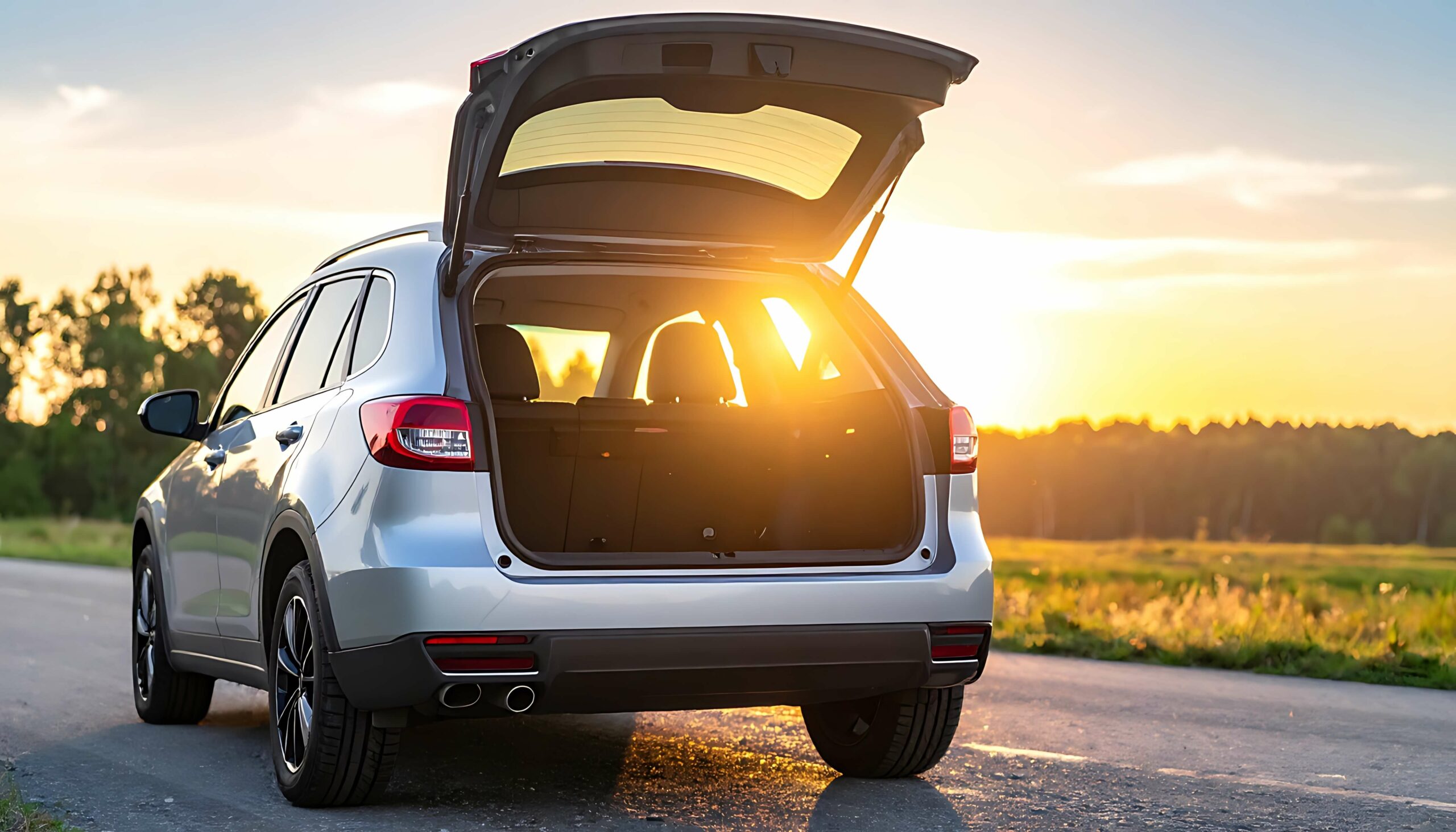
Windshields are designed to protect passengers from dust, wind and rain. They also protect the vehicle's structural integrity and enhance cabin safety. However, not every vehicle is designed the same way.
Hatchbacks and SUVs differ in their body structures. Hatchbacks are compact and lightweight, while SUVs are built for road conditions and thus are heavier and taller. Because of this, each vehicle will experience road shocks, vibrations and air pressure differently.
Knowing the differences between the structures helps car owners identify issues and complete timely windshield repair without spending a lot.
Structural Differences Between Hatchbacks and SUVs
Hatchbacks
Hatchbacks have smaller body structures, which means they are lighter and easier to drive in the city. This also means that stress from roadway impacts travels faster through the car's body. If a hatchback hits a pothole or road obstruction, the stress will reach the windshield frame faster.
This is why hatchback windshield issues are usually located in the corners or edges of the windshield. These small, localised weak points are very hard to detect in a hatchback; however, over time, small cracks can develop and worsen, making timely leading to more significant windshield damage.
SUVs
SUVs are taller and larger. This means they have a larger presence on the road. On highways or uneven roads, the body may flex more than a compact car. This can increase SUV windshield stress over time.
Windshield angle is also important. SUVs may have more upright windshields, while hatchbacks may have more sloped windshields. The size, frame design and angle of the windshields all play a role in how stress is distributed across the glass.
Road Conditions and Driving Dynamics
- Urban Road Conditions: City road conditions may be detrimental to hatchbacks. Driving over potholes, hitting speed breakers and making sharp turns can jolt the car. As hatchbacks are lighter than larger vehicles, they may be more affected, leading to greater stress on the windshields and frames.
- SUV Suspension Systems: SUVs are generally larger and have stronger suspension systems. But SUVs also have larger, more stressed windshields. Because of their big sizes, they have more stressed frames. Their larger body also helps them move more on rough roads, especially at higher speeds.
- Cabin Vibration and Pressure Changes: Changes in pressure and vibration also affect the cabin. Forcefully closing doors, driving on rough roads or suddenly changing the AC temperature can affect the glass. With time, this auto glass pressure can make small chips or weak spots worse.
Why Crack Patterns Differ Across Vehicle Types
- Edge Cracks: The cracks that are formed in auto glass are not always random. In hatchbacks, it may start at the edges due to compact frames and repeated impact of city roads. These edge cracks can spread quickly if the vehicle continues to move over rough roads.
- Stress Fractures: In SUVs, cracks may look different because the windshield is often larger and the body flexes differently. A small chip point may also unevenly distribute more because of the larger size of the windshields and glass.
- Impact of Temperature: Both hatchbacks and SUVs can experience issues related to temperature variation. Parking in the sun and cranking the AC to maximum can cause the vehicle windshield to contract and expand. For windshields with preexisting chips, the expansion and contraction can worsen the existing damage.
Conclusion
Regular inspection is one of the easiest ways to protect your windshield. After driving on rough roads, check for chips, small lines or marks near the edges. Early action can prevent a minor issue from becoming a full replacement.
If you notice chips, cracks, or unusual marks, do not ignore them. Contact AIS Windshield Experts for a professional windshield inspection and timely car glass repair. Early and right evaluation can make every drive safer.
Similar Post
-
21
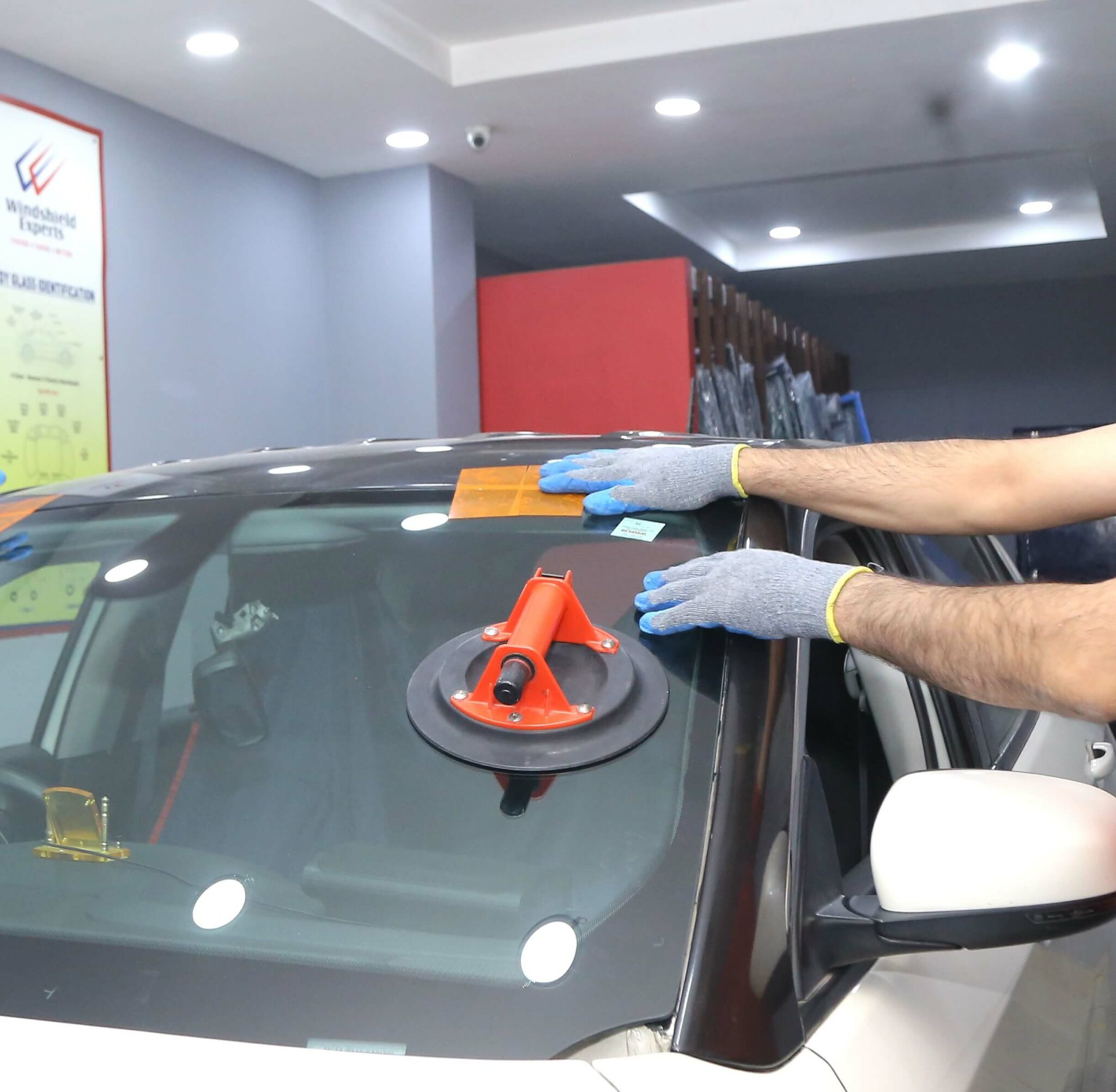
How AIS Windshield Experts Provide Quick Windshield Replacement Without Compromising Passenger Safety
-
21
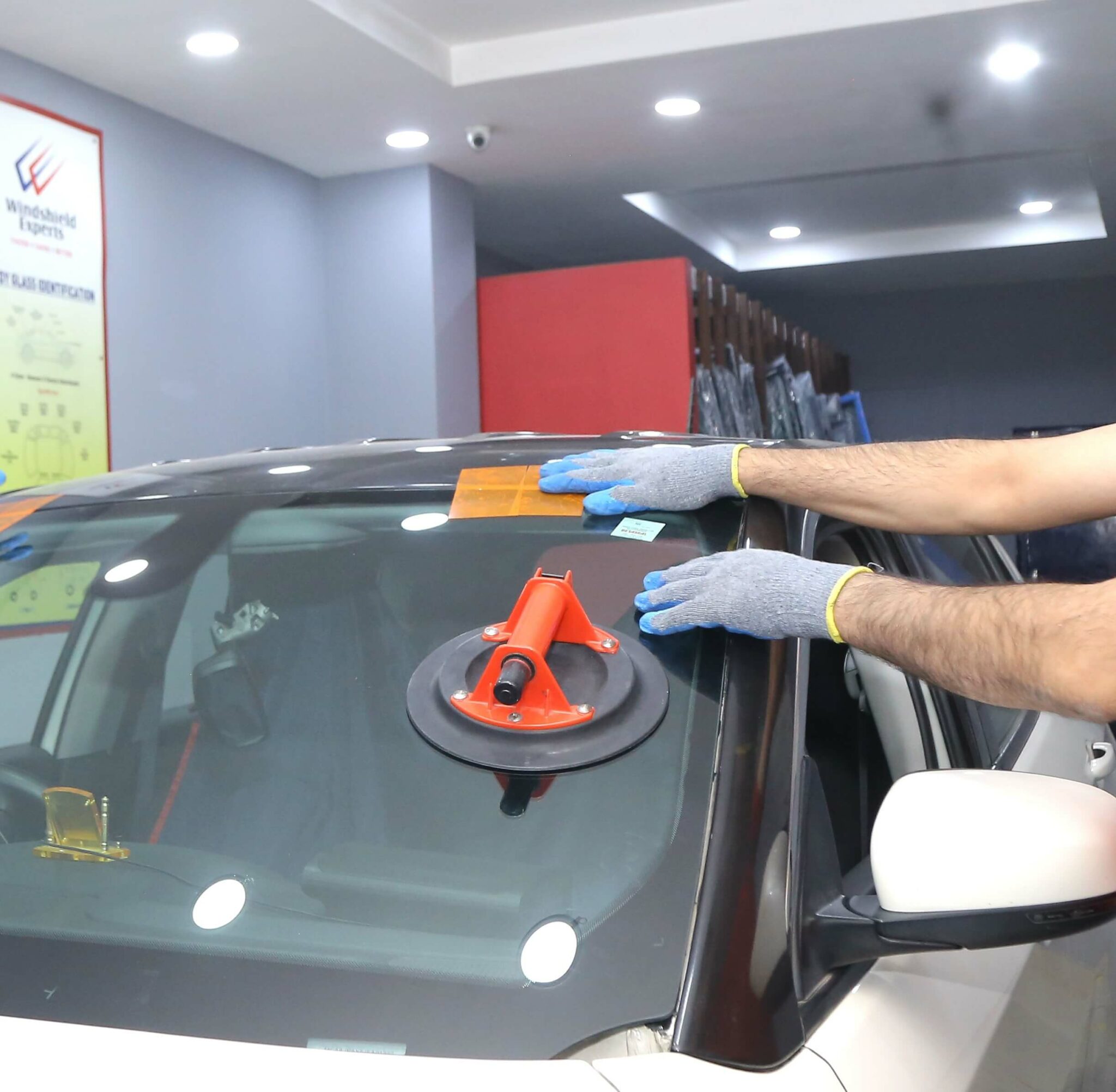
Why Windshield Replacement Is More Than Just Removing and Fitting Glass
-
21
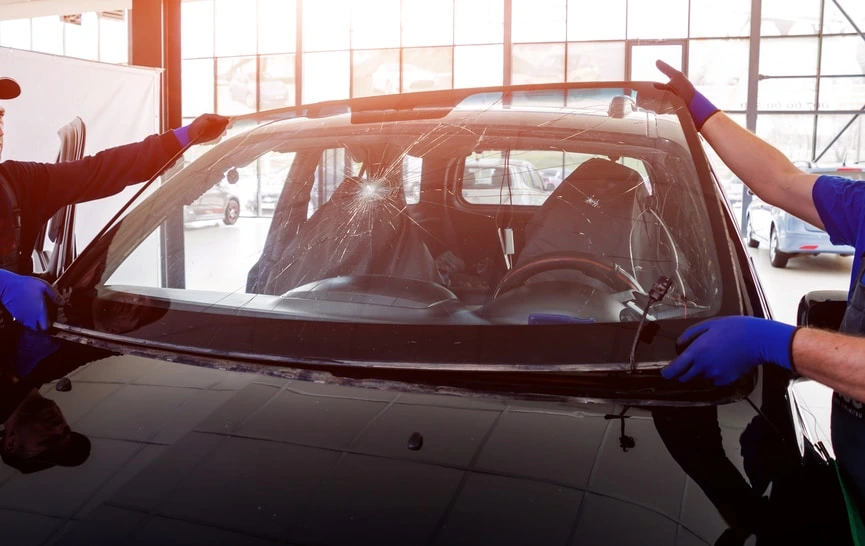
Why Windshield Glass Thickness Affects Passenger Safety
-
21
Professional Windshield Replacement Services: Why Expert Installation Matters for Passenger Safety
-
21
Nissan Tekton vs Hyundai Creta vs Kia Seltos: Which SUV Should Indian Buyers Choose in 2026?
Recent Post
- Mandatory ADAS in India by 2027: How it Will Transform the Automotive Technology Industry
- How Start-Stop Systems Change Battery Requirements in Modern Cars
- How AIS Windshield Experts Provide Quick Windshield Replacement Without Compromising Passenger Safety
- Why Windshield Replacement Is More Than Just Removing and Fitting Glass
- Why Windshield Glass Thickness Affects Passenger Safety
Blog Categories
 9818866364
 9599087715
 Insurance Claim


 1800-102-6364
  9818866364
  9599087715