

31
How Rain-Sensing Wipers Can Misbehave During Heavy Monsoon Conditions

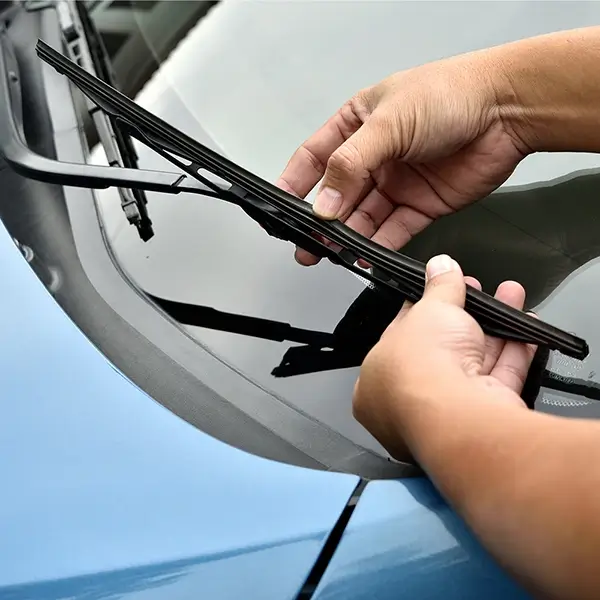
Modern cars include several features designed to make driving safer and more convenient. One of them is rain-sensing wipers, which automatically adjust their speed according to the amount of rain falling on the windshield. This helps drivers keep their attention on the road instead of constantly changing the wiper settings.
The monsoon season brings forth challenges that can sometimes test the efficiency and effectiveness of these systems. Heavy rain, muddy roads and dirt on the windshield may affect how accurately the sensor detects moisture.
Understanding how the system works and why it occasionally behaves unexpectedly can help drivers stay prepared during the rainy season.
How Do The Rain-Sensing Wipers Function?
Most vehicles equipped with rain-sensing wipers have a sensor mounted on the inside of the windshield, usually behind the rear-view mirror. The sensor uses light to monitor the condition of the outer glass.
When the windshield is dry, the light reflects in a particular way. As raindrops collect on the glass, the reflection changes. The sensor recognises this difference and signals the wipers to start operating. As rainfall becomes heavier or lighter, the system automatically adjusts the wiping speed.
This technology improves driving comfort because the driver does not need to keep making manual adjustments while travelling through changing weather conditions.
Conditions That Cause Performance Issues
Although these systems are designed for wet weather, certain monsoon conditions can affect their performance. During a sudden downpour, rain may fall faster than the sensor can respond, leading to a short delay before the wipers reach the required speed.
Mud, road grime and oily residue on the windshield can also interfere with moisture detection. Construction dust and water spray from large vehicles may leave a film on the glass that prevents the sensor from working as intended.
A clean windshield supports better windshield visibility, but contamination around the sensor area may reduce its accuracy. Drivers should avoid applying unsuitable products near the sensing area because they may also affect how the system responds.
Common Driver Complaints During Monsoon
Many drivers notice that the wipers sometimes activate later than expected when rain begins suddenly. Others find that the wiping speed changes too frequently even though the rainfall appears consistent.
Performance may also vary during long journeys where rain intensity changes from one location to another. These situations do not always indicate a faulty sensor. The condition of the windshield, surrounding environment and overall wiper maintenance can all influence how the system performs.
If the problem continues after cleaning the windshield, it is advisable to have the sensor and wiper system inspected by a qualified technician.
Improving Rain-Sensing Wiper Reliability
1. Keeping The Windshield Clean
It is one of the simplest ways to improve sensor performance. Regular cleaning removes mud, dust and road film that may interfere with moisture detection while also improving windshield visibility during heavy rain.
2. Wiper Blades Should Also Be Inspected Regularly
Damaged or worn rubber leaves streaks across the glass even when the sensor is operating correctly. Timely wiper maintenance elevates overall performance, making the system more efficient and smooth, even during monsoon.
3. Check The Rain Sensor
If the windshield has recently undergone windshield replacement, the rain sensor should also be checked to ensure it has been fitted correctly and is functioning as expected.
Conclusion
If you notice unusual wiper behaviour or suspect a problem with your windshield or rain sensor, you must get it checked immediately to avoid any further damage or expensive repairs.
At AIS Windshield Experts, our technicians inspect the windshield carefully and ensure that sensor-equipped glass is handled with precision during windshield replacement. This helps maintain the performance of modern vehicle systems while keeping safety at the centre of every service.
Similar Post
-
31
The Hidden Impact of Mud Splash on ADAS Camera Accuracy
-
31
Why Sudden Temperature Changes During Rainfall Affect Windshield Durability
-
31
How Rainwater Mixed With Road Oil Affects Windshield Clarity
-
31

How Monsoon Construction and Road Maintenance Activities Affect Windshield Safety
-
31
Why Windshield Washer Systems Fail More Frequently During Monsoon
Recent Post
- How Monsoon Road Debris Increases the Need for Windshield Repair
- How Rain-Sensing Wipers Can Misbehave During Heavy Monsoon Conditions
- The Hidden Impact of Mud Splash on ADAS Camera Accuracy
- Why Battery Jump-Start Requests Increase During the Monsoon Season
- Why Frequent Defogger Usage Can Reveal Battery Weakness?
Blog Categories
 9818866364
 9599087715
 Insurance Claim


 1800-102-6364
  9818866364
  9599087715