

22
New Technologies in Auto Glass Repair

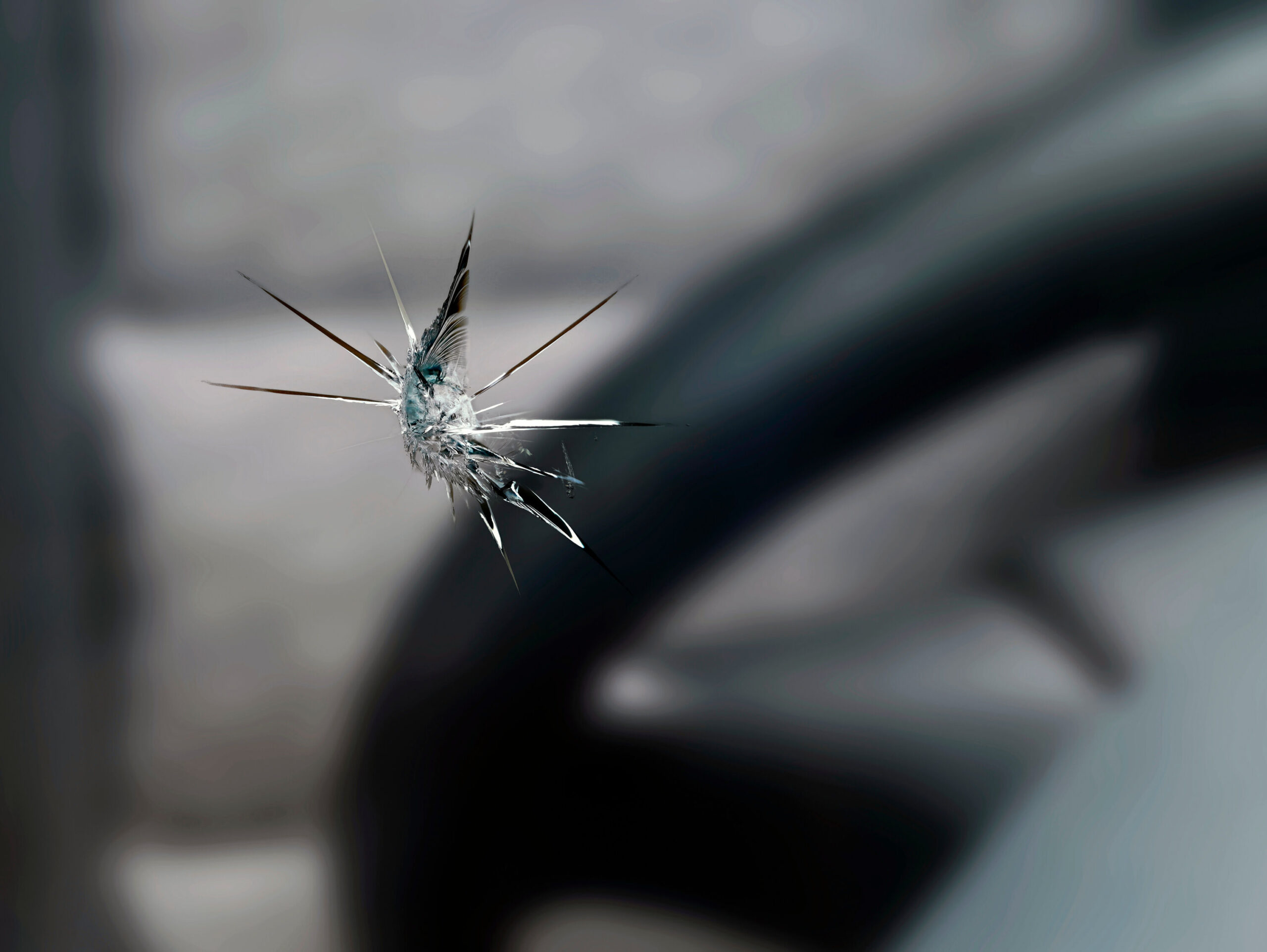
Auto glass repair is changing fast. What once meant a basic chip fix now involves stronger repair resins, precision tools, UV curing and support for sensor-based systems in modern cars. This makes repairs quicker, cleaner and more reliable for everyday drivers.
When people search for "windshield repair near me," they now expect not just convenience but also advanced methods that restore clarity, strength and safety with greater accuracy.
Resin Injection Technology
Modern resin injection technology has made windshield chip and crack repair far more precise. In this method, technicians clean the damaged area, remove trapped air and moisture, and then inject a clear repair resin into the break under controlled pressure.
The resin flows deep into small chips and short cracks, helping bond the damaged layers and improve visibility. It is then cured with UV light, which hardens it quickly and keeps it in place. This method works best for minor damage treated early, before dirt spreads or the crack becomes too large for safe repair.
UV Curing Technology
In car windshield repair, UV curing technology helps the repair resin harden quickly after it is injected into the damaged area. UV light triggers a chemical reaction in the resin, turning it from a liquid into a clear, solid material that bonds with the glass and supports its structure.
This improves the repaired area’s strength and visibility while helping to prevent further spread of minor damage. In many repair methods, curing strips are also used to keep air out and help the resin set more effectively.
Smart Glass & ADAS Compatible Windshields
Modern windshields are no longer just protective glass. These are designed to work with Advanced Driver Assistance Systems (ADAS), with space and precision for front-facing cameras, sensors and related safety technology.
These systems support features such as lane departure warning, forward collision warning, and automatic emergency braking. Because the camera often sits on or near the windshield, even a replacement must be done with exact positioning.
That is why AIS Windshield Experts’ ADAS-compatible windshields are designed to match the vehicle’s specifications, and recalibration is often required after installation to ensure the safety systems function correctly and accurately.
Benefits of Modern Repair
- Faster Service: Modern tools and curing methods enable many small repairs to be completed more quickly.
- Better Durability: Advanced resins bond more effectively with the damaged area, improving strength.
- Lower Cost: Repairing a chip or small crack is usually more affordable than replacing the full windshield.
- Improved Clarity: New techniques help restore visibility with a cleaner finish.
- Less Damage Spread: Early repair using modern methods can prevent minor damage from spreading into a larger crack.
Future Trends
The latest technology in auto glass repair is moving toward AI-based damage assessment and more automated repair workflows.
Computer vision tools can detect micro-damage, assess whether repair is possible and improve decision-making consistency.
Automated systems are also being developed to accelerate resin application, curing and service handling, making them faster, more precise and less dependent on manual estimation.
FAQs
What technology is used in windshield repair?
Windshield repair typically uses resin-injection tools, pressure or vacuum systems, and UV curing technology to fill and seal chips or small cracks.
Can repaired glass be as strong as new?
Repaired glass can regain much of its strength and clarity, but it may not be the same as a brand-new windshield.
How long does modern repair take?
Most modern windshield repairs for minor chips or cracks can be completed in about 30 minutes to 1 hour.
Are new windshields ADAS compatible?
Yes, many new windshields are ADAS-compatible, but they must be fitted correctly and often require calibration after installation.
What is UV curing in auto glass repair?
UV curing is the process of using ultraviolet light to harden the repair resin, enabling it to bond properly with the damaged glass.
Similar Post
-
21
How AIS Windshield Experts Provide Quick Windshield Replacement Without Compromising Passenger Safety
-
21
Why Windshield Replacement Is More Than Just Removing and Fitting Glass
-
21
Why Windshield Glass Thickness Affects Passenger Safety
-
21
Professional Windshield Replacement Services: Why Expert Installation Matters for Passenger Safety
-
21

Nissan Tekton vs Hyundai Creta vs Kia Seltos: Which SUV Should Indian Buyers Choose in 2026?
Recent Post
- Mandatory ADAS in India by 2027: How it Will Transform the Automotive Technology Industry
- How Start-Stop Systems Change Battery Requirements in Modern Cars
- How AIS Windshield Experts Provide Quick Windshield Replacement Without Compromising Passenger Safety
- Why Windshield Replacement Is More Than Just Removing and Fitting Glass
- Why Windshield Glass Thickness Affects Passenger Safety
Blog Categories
 9818866364
 9599087715
 Insurance Claim


 1800-102-6364
  9818866364
  9599087715